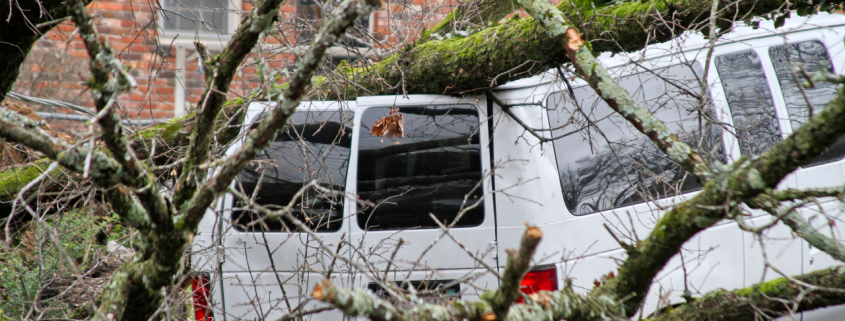
towing in bad weather

If you’ve ever driven through a sudden Adelaide downpour or gusty South Australian storm, you know how unpredictable the weather can be.  And when towing enters the picture, that unpredictability can quickly turn into a risk. Slippery roads, poor visibility, and strong winds make towing even more challenging, especially for those without the proper equipment or training.

That’s why professional tow truck operators take weather safety seriously. Whether it’s a wet highway or a hot, dusty backroad in the Adelaide Hills, experienced teams like CNB Towing follow strict safety protocols to protect both vehicles and people.

Let’s examine how adverse weather conditions impact towing and the essential safety measures you should always consider.

1. How Bad Weather Impacts Towing Safety

Rain, fog, or strong winds not only make driving more challenging; they also directly impact the physics of towing. Wet roads reduce traction, making it easier for trailers or towed vehicles to fishtail out of control. Heavy rain or fog can conceal hazards such as potholes or debris, while wind gusts can cause large vehicles to become unstable.

Professional towing operators in Adelaide are trained to adjust their speed, braking distance, and towing angle according to weather conditions. They also check tyre pressure, lighting, and load balance before every trip, ensuring stability on even the most challenging roads.

2. Rain and Flood Conditions

Rain might seem like a routine part of driving, but for towing professionals, it’s one of the most underestimated hazards on the road. Wet surfaces reduce traction, affect braking distance, and can cause trailers or tow loads to fishtail. When conditions worsen into local flooding, the risks multiply, making controlled driving and good judgment essential.

Safety Tips for Rainy Conditions:

  • Drive slower than usual and avoid sudden braking

Smooth, gradual braking and steering help maintain traction and prevent skidding. Sudden maneuvers can easily cause loss of control when towing a heavy load.

  • Keep headlights and hazard lights on

Visibility is everything in the rain. Proper lighting ensures you can see the road clearly and that other drivers can see you from a safe distance.

  • Avoid towing through flooded areas

Even shallow water can conceal deep potholes, submerged debris, or soft road edges. Fast-moving water can reduce traction or sweep vehicles off course, endangering both driver and equipment.

  • Check wipers and defoggers

Clear visibility inside and outside the cab is essential for safe control during prolonged rainfall.

How Professionals Handle Towing During Bad Weather:

At CNB Towing, our operators take extra precautions during Adelaide’s rainy or flood-prone conditions. Before every dispatch, we conduct complete equipment and vehicle checks, inspecting tyre tread, brakes, wipers, and electrical systems to ensure complete reliability on wet roads.

Our team also monitors live weather updates and road alerts, planning alternate routes when flooding or closures are reported in or around Adelaide. Every tow is handled at a controlled pace, using precise braking and traction techniques to keep both the tow truck and the client’s vehicle stable and secure.

3. Fog and Low Visibility: Light, Distance, and Patience

Foggy mornings are common across South Australia. While they may look calm from a distance, fog creates one of the most dangerous conditions for towing. Visibility can drop suddenly, road lines become harder to see, and it’s easy to misjudge distances between vehicles. When towing, even a slight miscalculation can lead to accidents or jackknifing, making extra caution essential.

Safety Tips for Fog:

1. Use low-beam headlights

High beams reflect light off the fog, creating glare and reducing visibility. Low beams or fog lights help illuminate the road without blinding you or other drivers.

2. Increase the following distance

Maintain at least double the normal distance between your vehicle and the one ahead. This gives you more reaction time if traffic slows suddenly or obstacles appear.

3. Turn on hazard lights when stopping

If you need to pull over, move as far to the side as possible, keep hazard lights on, and avoid sudden braking. Staying visible to others is key to preventing collisions.

4. Stay patient and drive slowly

Fog demands calm, steady driving. Avoid overtaking and sudden lane changes. They can be extremely risky when visibility is limited.

At CNB Towing, safety is never compromised especially when visibility is poor. Our tow trucks are equipped with high-intensity LED lights, reflective markings, and advanced navigation systems to ensure maximum visibility in dense fog. Operators maintain direct communication with our central dispatch team, receiving real-time weather and traffic updates to plan the safest routes possible.

CNB drivers also follow strict low-speed and high-alert protocols, ensuring every towing operation stays controlled and predictable — even when the road ahead is hard to see. This level of preparation and patience ensures the safety of both our team and Adelaide drivers, regardless of how thick the fog becomes.

4. Strong Winds: Balancing and Securing the Load

Strong winds might not seem as threatening as heavy rain or fog, but they’re one of the most underestimated dangers in towing. In South Australia, gusty conditions — especially along open highways and coastal roads — can cause severe instability, making it difficult to control both the tow vehicle and the trailer. For taller, lighter, or unevenly loaded cars, the risk of swaying or tipping over increases significantly.

Safety Tips for Windy Conditions:

  • Distribute the weight evenly. An unbalanced load is more likely to shift or sway in strong winds. Always ensure that the heaviest part of the load is positioned over the axles for improved stability.
  • Slow down and maintain control. Reducing your speed minimises aerodynamic drag, giving you more time to respond to sudden gusts or crosswinds.
  • Keep both hands firmly on the wheel. Maintain steady steering and avoid sudden corrections. Oversteering during wind gusts can make the vehicle harder to control.
  • Increase your following distance. Leave extra space between vehicles — high winds can push vehicles closer together, especially when towing heavy loads.

At CNB Towing, our team understands that load balance and secure fastening are critical in windy conditions. Our experienced operators take extra precautions, using heavy-duty, load-rated straps and reinforced tow hitches designed to withstand high wind resistance. Every tow vehicle in our fleet is equipped with stability control systems and precision hitch alignment tools to ensure the load remains steady, even during strong gusts.

5. Extreme Heat: Equipment & Engine Protection

South Australia’s summer heat can be just as punishing as winter rain — and for towing operations, extreme temperatures bring their own set of challenges. When the mercury rises, engines work harder, tyres expand, and hydraulic systems face increased stress. Without proper precautions, both the tow vehicle and the one being towed can be at risk.

Safety Tips for Hot Conditions:

  • Check coolant and engine fluids before every trip. Overheating is one of the most common causes of roadside breakdowns during summer. Ensure your coolant levels, oil, and transmission fluid are topped off and in good condition.
  • Monitor tyre pressure regularly. Heat causes the air inside tyres to expand, which can lead to blowouts if not correctly managed. Always check tyre pressure when tyres are cold and avoid driving on overinflated ones.
  • Avoid idling in direct sunlight. Extended idling increases engine temperature and wastes fuel. Park in the shade when possible, or switch off the engine if you’ll be stationary for long periods.
  • Inspect towing connections. Heat can affect metal components and rubber couplings, so ensure all tow hooks, cables, and straps are secure and in good condition before towing.

Professional Approach:

At CNB Towing, our fleet is built and maintained to withstand the harsh summer conditions of South Australia. Each tow truck is regularly serviced to ensure optimal performance, with engines, hydraulics, and air conditioning systems remaining reliable, even in temperatures exceeding 40 °C.

Our professional drivers are trained to manage engine loads, adjust towing speeds, and use heat-resistant tow ropes and cables when necessary. This proactive approach not only protects the vehicles being towed but also ensures safe and efficient operations across Adelaide and surrounding regions.

Whether it’s a breakdown in scorching midday sun or an engine failure during a heatwave, CNB Towing is equipped to get you back on the road quickly and safely — without putting your vehicle at further risk.

6. What You Should Do as a Driver During Bad Weather

If your car breaks down in bad weather — whether it’s heavy rain, hail, fog, or strong winds — your safety should always be your top priority. Poor visibility and slippery roads can turn even minor roadside stops into serious hazards, so it’s essential to stay calm and follow these key steps:

1. Move to Safety:

Gently pull your vehicle as far off the road as possible, preferably onto the shoulder or a safe, visible spot. Stay inside the car with your seatbelt fastened as stepping outside in rain or low visibility conditions increases your risk of accidents.

2. Turn On Hazard Lights:

Keep your hazard lights flashing to alert oncoming drivers. If visibility is inferior, use reflective triangles or flares if available. Making your car visible can significantly reduce the risk of collisions.

3. Call a Professional Towing Service:

Avoid DIY towing or pushing your vehicle in bad weather. Instead, call a trusted towing company in Adelaide, such as CNB Towing. Their experienced operators are equipped with weather-rated gear and 24/7 emergency response vehicles to reach you quickly and safely.

4. Stay Calm & Wait for Help:

Keep your phone charged, stay inside the vehicle, and wait for assistance to arrive. Avoid accepting help from unverified sources, especially at night or in remote areas.

Remember, attempting to tow or fix your vehicle during a storm can be extremely dangerous. It’s always best to let professionals handle it — they have the right equipment, visibility aids, and training to manage bad-weather recoveries safely..

Conclusion

Weather in Adelaide can change in minutes — and when it does, towing safely requires expertise, equipment, and composure. Whether it’s heavy rain, dense fog, or scorching heat, CNB Towing is prepared to respond quickly and safely anywhere in South Australia.

  • 24/7 emergency towing
  • Trained and insured operators
  • Reliable equipment for all conditions

If you need urgent towing in bad weather Call CNB Towing for fast, safe, and professional assistance.

1. Is it safe to tow a car in heavy rain?

Towing in heavy rain can be risky due to reduced traction and poor visibility. It’s best handled by professional tow operators who use proper lighting, controlled speeds, and waterproof equipment to ensure safety.

2. What should I do if my car breaks down during a storm in Adelaide?

Stay inside your vehicle with hazard lights on and move off the road if possible. Call a professional towing service like CNB Towing, which operates 24/7 and can reach you safely even in bad weather.

3. How do professional tow truck drivers handle foggy conditions?

Experts use low-beam headlights, reflective gear, and GPS communication to maintain visibility and route accuracy. CNB Towing drivers follow strict low-speed, high-visibility protocols in foggy conditions.

4. Can strong winds affect towing safety?

Yes — strong winds can cause swaying or imbalance during towing. Professionals secure loads with heavy-duty straps, distribute weight evenly, and adjust speed to maintain vehicle control.

5. Why should I call a professional for towing in bad weather?

Bad weather adds multiple safety hazards like slick roads, reduced traction, and poor visibility. Professional towing companies like CNB Towing have trained operators, weather-rated equipment, and experience to handle all situations safely.

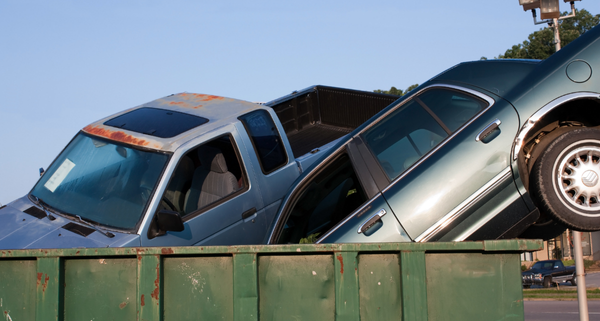
How to Get the Best Price for Your Scrap car

Selling a scrap or damaged car does not mean you have to settle for pennies. With the right approach, Adelaide car owners can secure top cash for cars while avoiding hidden costs or delays. In fact, Australia’s auto recycling industry processes over 500,000 end-of-life vehicles annually, demonstrating that even old or damaged cars still hold value.

This guide will show you how to get the best price for your scrap or damaged car in Adelaide, with practical steps to maximise your return.

1. Know Your Car’s True Value

Just because your car does not run does not mean it is worthless. Even if it is damaged or missing parts, buyers often want it for:

  • Spare parts, such as engines, transmissions, tyres, or even mirrors, can be resold.
  • Scrap metal, including steel, aluminium, and copper, is valuable in recycling.
  • Export purposes – some makes/models are in demand overseas.

Tip: Use online valuation tools or free quote forms offered by Adelaide scrap car buyers. This provides a rough estimate before you begin negotiating. Remember, even a car that looks like a total wreck can put money back in your pocket.

2. Compare Multiple Car Removal Services

Not all car removal companies offer the same deal. Some promise “top dollar,” but subtract hidden fees for towing or processing. Others, like CNB Towing, provide:

  • Free car removal across Adelaide
  • Instant cash payments (no waiting around)
  • No hidden charges

By getting at least 2–3 quotes, you will quickly see who is offering a fair price and who is not. Plus, when companies know you are shopping around, they are more likely to match or beat a competitor’s offer.

Also Read: Why Choose CNB Towing

3. Remove Valuable Parts Beforehand

If you are handy with tools (or know someone who is), you may be able to earn extra money by removing specific components before selling your car for scrap. Examples include:

  • Batteries and catalytic converters
  • Tires, rims, or alloy wheels
  • Upgraded sound systems or GPS units

These items can often fetch a higher price when sold separately. However, if you are not mechanically inclined, do not worry , many removal companies are happy to take the car “as is” and factor the value into your payout.

4. Keep Your Paperwork Ready

Having the proper documents readily available makes the entire process smoother. Scrap car buyers in Adelaide usually ask for:

  • Proof of ownership (title or registration papers)
  • A valid ID
  • Keys, if you still have them

When paperwork is in order, buyers are more willing to pay a higher price because it saves them time and reduces their risk. If your paperwork is missing, some companies still buy cars, but the payout may be lower.

5. Choose Licensed & Eco-Friendly Car Removal Companies

This step is often overlooked, but it matters. Selling to a licensed and environmentally responsible company ensures that:

  • Toxic fluids are drained safely.
  • Recyclable metals are reused.
  • Non-recyclable waste is disposed of properly.

By choosing a reputable service like CNB Towing, you not only get a better price, but you also help keep South Australia greener. 

6. Timing Can Make a Difference

The market for scrap metal is not static. Prices fluctuate depending on demand. For example, if global steel prices rise, your scrap car could be worth more. On the other hand, if your car is costing you money in insurance or rego, waiting too long can wipe out any potential gain.

A good rule of thumb? If your car is not being used and continues to drain your wallet, consider selling it sooner rather than later.

7. Negotiate & Ask About Extras

Do not be afraid to negotiate. If your car has a rare part, low mileage (even if it is damaged), or is in high demand, you may be able to negotiate a higher price. Also, ask about extras like:

  • Same-day pickup
  • Free towing
  • No admin fees

These perks not only save you time but also boost the overall value of the deal.

Conclusion

At the end of the day, selling a scrap or damaged car does not have to feel like a loss. By knowing your vehicle’s worth, comparing offers, and choosing the right buyer, you can turn an unwanted car into quick cash without stress.

At CNB Towing, we make it easy for Adelaide car owners:

✔ Free car removal across Adelaide

✔ Instant cash for cars — any make, model, or condition

✔ Eco-friendly recycling that benefits both you and the environment

Call us today and discover how simple it is to get the best price for your scrap or damaged car in Adelaide.

Frequently Asked Questions

1. How much can I get for my scrap car in Adelaide?

The amount depends on your car’s make, model, age, and condition. On average, Adelaide scrap car buyers pay anywhere from a few hundred dollars up to several thousand if the car still has valuable parts. Getting multiple quotes is the best way to know your car’s actual value.

2. Who pays the most cash for cars in Adelaide?

Licensed car removal services, such as CNB Towing, often pay top cash because they offer free towing, instant payment, and eco-friendly recycling. Avoid unlicensed buyers, as they may offer low prices or add hidden costs

3. Can I sell my car without registration or a roadworthy certificate?

Yes — most scrap car removal companies in Adelaide accept cars without registration, roadworthy certificates, or even running conditions. All you usually need is proof of ownership and a valid ID.

4. Is it better to sell my car for parts or as scrap?

If you have the time and mechanical skills, selling parts separately can be a lucrative option. However, selling your whole car to a removal company is faster, hassle-free, and often just as profitable when you factor in free towing and instant cash.

5. What happens to my car after removal in Adelaide?

Licensed wreckers and removal companies will strip reusable parts, recycle metals, and safely dispose of harmful materials. This process ensures that your vehicle is handled responsibly and benefits the environment.

Did you know that more than 700,000 vehicles reach the end of their life in Australia every year? Many of these cars sit unused in driveways, garages, or backyards—rusting away and costing their owners money in insurance, registration, or repairs. If you’ve got a vehicle that’s no longer serving its purpose, professional car removal services in Adelaide could be the most practical and profitable solution.

Not only do these services help you clear unwanted vehicles, but they also offer instant cash for cars, free towing, and eco-friendly disposal. In this blog, we’ll walk you through seven clear signs that it might be time to consider car removal and how CNB Towing can help you turn a liability into quick cash.

1. Your Car Has Become Too Costly to Repair

One of the most obvious signs it’s time to consider car removal services in Adelaide is when repair costs outweigh your car’s actual value. According to industry estimates, the average Australian spends over $1,500 annually on car maintenance and that figure jumps significantly for older vehicles. If your car constantly needs new parts, major mechanical work, or repeated visits to the mechanic, it’s likely draining your wallet faster than it’s serving your needs.

Instead of investing more money in a vehicle nearing the end of its life, consider a cash for cars service that pays you on the spot and eliminates the hassle. With CNB Towing, you don’t just save on endless repair bills, you also get free car removal in Adelaide, instant payment, and peace of mind knowing your old vehicle will be disposed of responsibly.

2. It Fails to Pass Roadworthy or Safety Inspections

In South Australia, vehicles must meet strict roadworthy and safety standards to stay legally on the road. If your car fails its inspection, you could be facing a long list of costly repairs just to get it registered again. For many older or damaged cars, these expenses can quickly add up to more than the vehicle’s actual worth.

Instead of investing in repairs to bring an unsafe or unreliable car back to compliance, many Adelaide vehicle owners opt for scrap car removal services. By doing so, they avoid registration hassles, eliminate ongoing insurance costs, and earn quick cash at the same time.

At CNB Towing, we make this process simple. Whether your car has failed its safety check or is no longer roadworthy, we’ll provide fast car removal in Adelaide—with free towing, instant payment, and eco-friendly recycling so you can move on without stress.

3. Your Car is Sitting Unused and Taking Up Space

A car that’s been sitting idle in your driveway, garage, or even on the street isn’t just wasting space BUT it’s also losing value every day. Unused vehicles can become safety hazards, leaking fluids, attracting pests, or rusting away in the weather. On top of that, they often keep draining your wallet through registration or insurance fees, even if you’re not driving them.

Rather than letting your unwanted vehicle sit and deteriorate, many Adelaide car owners choose scrap car removal services. This way, you can free up valuable space, reduce unnecessary costs, and turn an unused car into quick cash.

With CNB Towing, the process is quick and hassle-free. We offer free car removal in Adelaide, pay instant cash for unwanted cars, and ensure every vehicle is disposed of in an eco-friendly way, so you can enjoy a clutter-free driveway and peace of mind.

4. Your Vehicle Is Damaged Beyond Economical Repair

Accidents or major breakdowns can leave a vehicle in such poor condition that repairing it simply doesn’t make financial sense. If your car has been written off by insurance or requires repairs exceeding its value, keeping it only adds unnecessary stress and expenses.

Instead of paying for storage, towing, or endless repair attempts, many Adelaide drivers choose car removal services to cut their losses. By doing so, they not only avoid costly bills but also receive instant cash for a vehicle that might otherwise sit idle and deteriorate further.

At CNB Towing, we specialise in buying damaged and wrecked cars in any condition. Whether your vehicle has been in an accident or is simply beyond economical repair, we’ll provide free car removal in Adelaide or nearby pay you on the spot, and recycle the vehicle responsibly.

6. High Insurance Premiums for a Car You Don’t Drive

Paying insurance, registration, and other ongoing fees for a car that barely moves—or doesn’t run at all—can feel like throwing money away. Many Adelaide car owners are surprised at how much they spend each year keeping an unwanted vehicle legally covered, even if it never leaves the driveway.

Instead of wasting money on a car you no longer use, consider turning to car removal services in Adelaide to save on unnecessary expenses and get quick cash back in your pocket. By selling your unwanted car for scrap, you not only eliminate ongoing costs but also free up space and responsibility.

With CNB Towing, you’ll get free car removal, instant cash, and a disposal process that helps you cancel registration and insurance with ease. It’s a simple way to stop paying for a car you don’t need.

7. You Want Quick Cash and Hassle-Free Removal

Sometimes, the decision to part with your car isn’t about repairs or inspections—it’s simply about convenience. If you’re planning to upgrade, relocate, or just want to clear out an unwanted vehicle, choosing car removal services in Adelaide is the fastest and easiest option.

Unlike selling privately, which involves endless ads, negotiations, and time-wasters, car removal companies offer a straightforward process with instant cash payments. No delays, no stress, and no hidden costs.

At CNB Towing, we specialise in cash for cars in Adelaide, offering same-day removal, top-dollar payouts, and hassle-free service. All you need to do is give us a call, and we’ll handle the rest—from free towing to eco-friendly disposal.

Conclusion

If your car is costing more than it’s worth, failing inspections, or simply sitting unused, it’s time to consider car removal services in Adelaide. Holding onto an unwanted vehicle can drain your finances, take up valuable space, and create unnecessary stress.

With CNB Towing, the solution is simple. We provide fast, free, and reliable car removal across Adelaide, paying instant cash for cars in any condition. Whether your vehicle is old, damaged, or no longer roadworthy, we’ll handle everything—from free towing to eco-friendly disposal.

Call CNB Towing today and turn your car into instant cash with hassle-free removal.

Frequently Asked Questions

1. How do car removal services in Adelaide work?

Car removal services are simple—you contact a provider like CNB Towing, get a free quote, and schedule a pickup. They tow your car for free, pay you instant cash, and handle eco-friendly disposal.

2. Can I sell my car for removal if it’s not running?

Yes. CNB Towing buys cars in any condition, running, damaged, wrecked, or completely non-functional. Free towing is included, so you don’t have to worry about transport.

3. How much cash can I get for my unwanted car in Adelaide?

The payout depends on factors like make, model, year, and condition. At CNB Towing, we offer competitive prices and pay cash on the spot for all types of vehicles.

4. Do I need paperwork to use a car removal service?

You’ll need proof of ownership (like registration papers or ID). CNB Towing guides you through the process and provides a disposal receipt so you can cancel registration and insurance.

5. Why choose CNB Towing for car removal in Adelaide?

CNB Towing offers free removals, instant cash, same-day service, and eco-friendly recycling. We make the process hassle-free and ensure you get top value for your unwanted vehicle.

Get Top Cash for Car with CNB Towing (1)

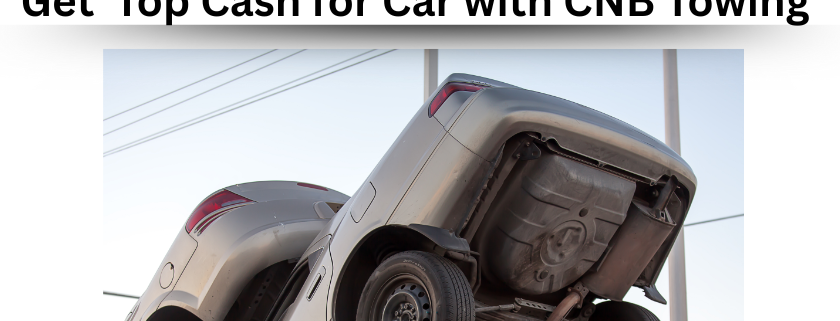
When it comes to selling an unwanted, damaged, or old vehicle, many people search for a quick and reliable solution. That’s where cash for car services in Adelaide come in. At CNB Towing, we make the process simple by offering fair prices, free removals, and on-the-spot payments for vehicles of all types and conditions.

In this post, we’ll walk you through the key reasons why CNB Towing is the trusted choice for car owners across Adelaide. From hassle-free car removal to instant top-dollar offers, eco-friendly recycling, and a team you can rely on 24/7, you’ll see how we combine experience and customer care to deliver a service you can trust.

Free Car Removal in Adelaide

Selling your car should be simple, not stressful. At CNB Towing, we offer free car removal services across Adelaide and nearby suburbs. You don’t have to worry about towing costs or extra charges—we handle everything from pickup to paperwork.

  • Same-Day Pickup

Our team is ready to collect your vehicle on the same day you accept our offer, making the process fast and hassle-free.

  • No Hidden Fees

With CNB Towing, what we quote is what you get. There are no towing costs, admin charges, or last-minute deductions.

Instant Cash Offers for All Vehicles

At CNB Towing, we believe every car has value—no matter its age, condition, or make. That’s why we provide fair, instant cash offers for vehicles ranging from everyday cars to scrap, damaged, or unregistered vehicles. Our process is designed to give you a transparent deal without delays.

  • Cash Paid on the Spot

Once we inspect and collect your car, we pay you immediately. No waiting days or weeks—just fast, secure payment you can rely on.

  • All Makes and Conditions Accepted

From old family cars and unwanted to accident-damaged vehicles, we buy them all. If you’re wondering whether your car qualifies, the answer is almost always yes.

Eco-Friendly Car Recycling

Choosing CNB Towing doesn’t just benefit your wallet—it also helps the environment. We follow eco-friendly car recycling practices that ensure every vehicle is dismantled and disposed of responsibly. From salvaging usable parts to safely handling fluids and scrap metal, we make sure nothing goes to waste.

  • Reducing Landfill Waste

By recycling cars instead of sending them to landfills, we help reduce environmental impact and promote sustainable practices in Adelaide.

  • Responsible Vehicle Disposal

Our team works with licensed recycling facilities to guarantee that your car is processed in line with industry standards and environmental regulations.

24/7 Reliable Towing & Service

Roadside emergencies don’t follow a schedule, and neither do we. CNB Towing operates 24/7, every day of the year, ensuring you always have a dependable team to call when you need it most. Whether it’s a breakdown, accident recovery, or late-night removal, we’re always ready to help.

  • Around-the-Clock Availability

Day or night, rain or shine—our tow truck operators are on standby to provide fast response times across Adelaide and beyond.

  • Minimising Stress and Downtime

We understand that emergencies are stressful, which is why our priority is to get you moving again quickly, safely, and with minimal disruption.

Local Expertise & Trusted Team

With years of experience in the towing and car removal industry, CNB Towing has built a strong reputation across Adelaide for reliability and trust. Our team is highly trained, customer-focused, and committed to delivering the best possible service every time.

  • Experienced Professionals

From light-duty to heavy-duty towing, our operators have the knowledge and skills to handle any situation with care and precision.

  • Customer-First Approach

We believe in keeping the process simple and transparent. From the first call to final payment, our friendly staff ensures you stay informed and stress-free.

Why Choose CNB Towing for Cash for Cars in Adelaide

When it comes to selling an unwanted vehicle, CNB Towing makes the process fast, fair, and stress-free. From free car removal and instant cash offers to eco-friendly recycling and 24/7 reliable service, we provide everything you need in one trusted solution. Our local expertise and customer-first approach set us apart as Adelaide’s go-to choice for cash for cars.

Get Started Today

Ready to turn your unwanted car into instant cash? Contact CNB Towing today for a free quote and same-day removal. Call us now and experience why Adelaide locals trust us for towing and cash for car services.

Frequently Asked Questions

1. How does cash for cars work in Adelaide?

Cash for cars in Adelaide is a simple process where companies like CNB Towing buy unwanted, old, or damaged vehicles. We provide a free quote, arrange free car removal, and pay you instant cash on the spot.

2. Can I sell a car that is not running?

Yes, you can sell a non-running car. At CNB Towing, we accept vehicles in any condition—whether they are damaged, unregistered, or completely not drivable.

3. Do I need paperwork to sell my car for cash?

Basic paperwork, such as proof of ownership and identification, is required. Our team helps with the documentation to ensure the process is quick and stress-free.

4. How much cash can I get for my car in Adelaide?

The cash amount depends on your vehicle’s make, model, age, and condition. CNB Towing offers competitive market rates and pays instantly upon collection.

5. Is car removal really free?

Yes, car removal with CNB Towing is 100% free. There are no hidden fees or towing charges—we handle pickup at no cost to you.

6. Can I sell an unregistered or scrap car?

Absolutely. CNB Towing buys cars in all conditions, including unregistered vehicles, scrap cars, and accident-damaged cars. You’ll still receive a fair cash offer.

7. How quickly can you remove my car?

We provide same-day car removal in most cases. Once you accept our offer, our team can often arrive within hours to collect your vehicle.

8. Do you recycle cars in an eco-friendly way?

Yes, we follow eco-friendly recycling practices. Cars are dismantled responsibly, reusable parts are salvaged, and waste materials are disposed of safely.

9. Why should I choose CNB Towing for cash for cars in Adelaide?

CNB Towing offers free removal, instant cash payments, eco-friendly recycling, and 24/7 reliable service. With years of local experience, we are a trusted choice across Adelaide.

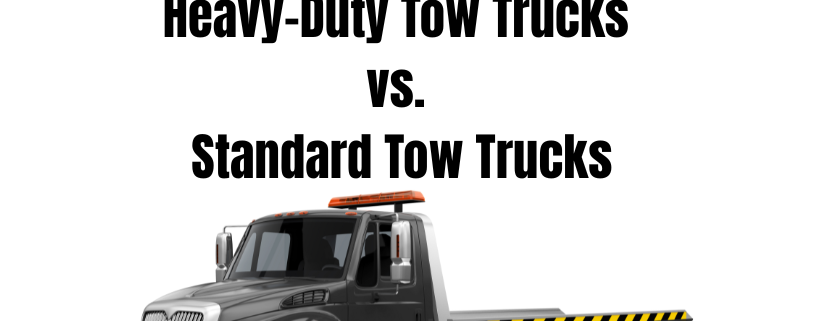
Heavy-Duty Tow Trucks

Not all towing jobs are the same. While standard tow trucks are built to handle everyday breakdowns and light vehicles, some situations call for heavy-duty tow trucks equipped with specialised tools and greater lifting power. From recovering buses and lorries to transporting construction machinery, these powerful vehicles are designed to tackle the most challenging jobs. Understanding the differences in equipment, safety features, and operational requirements between standard and heavy-duty tow trucks is essential for both operators and businesses that rely on towing services.

What Defines Heavy-Duty Tow Trucks?

A heavy-duty tow truck is built to handle jobs that go far beyond the capacity of a standard tow vehicle. These trucks are designed with reinforced chassis, high-capacity hydraulic systems, and stronger towing mechanisms to recover and transport oversized loads safely.

While a standard tow truck is ideal for cars, motorcycles, and small trailers, heavy-duty models are equipped to manage buses, semi-trailers, construction equipment, and other large commercial vehicles. Their towing capacity often exceeds 23,000 kilograms, making them indispensable for industries that depend on reliable recovery and transport.

The main difference lies not only in size but also in the specialised equipment, operator training, and compliance requirements that come with heavy-duty towing.

Essential Heavy-Duty Tow Trucks Equipment

Heavy-duty tow trucks rely on specialised, reinforced equipment to handle oversized loads safely and efficiently. Here’s a breakdown of the must-have tools that set them apart from standard tow trucks:

1. Hydraulic Booms

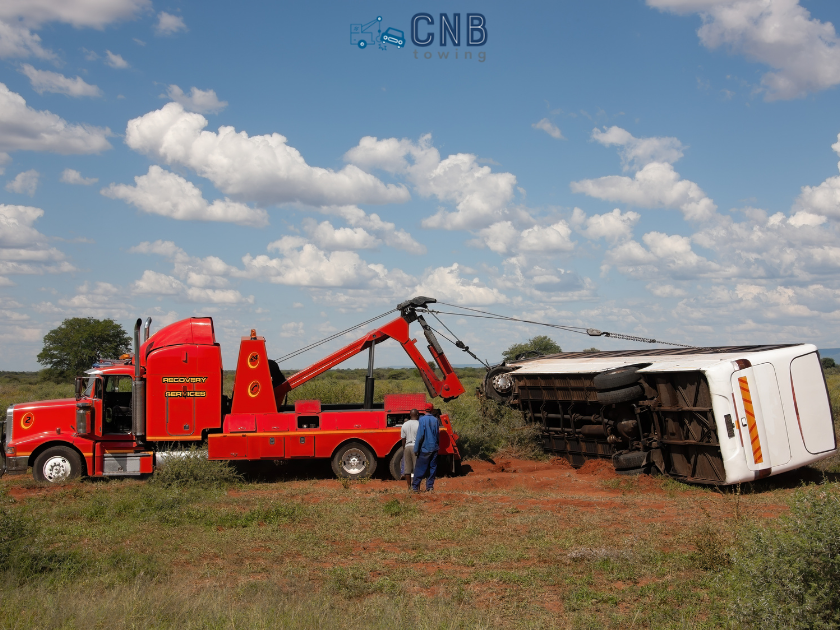
Heavy-duty hydraulic booms are engineered for strength and precision. Unlike smaller booms used in light towing, these systems can extend and rotate, making it possible to recover over2turned buses, semi-trailers, or machinery in confined or unstable environments. Proper maintenance of hydraulic seals and fluid is critical to ensure consistent performance.

2. Underlifts (Heavy-Duty Wheel Lifts)

Underlifts allow operators to lift vehicles by their axles or frames without damaging critical components. Heavy-duty underlifts are adjustable, extendable, and designed for the weight distribution of large vehicles like trucks and coaches. This technology makes towing safer and minimises wear on both the tow truck and the vehicle being recovered.

3. High-Capacity Winches

These winches come with reinforced cables and multiple-line pulling options, capable of moving loads that weigh tens of thousands of kilograms. They are essential for recovering vehicles stuck in ditches, mud, or tight spaces. Many modern winches also include remote-control operation, giving operators safer and more precise control during recovery.

4. Reinforced Tow Hitches & Frames

Heavy-duty towing requires equipment that won’t buckle under pressure. Reinforced hitches and frames are specifically built to manage high-stress loads. These components distribute the towing force evenly, reducing the risk of structural damage and improving overall stability during long-distance or heavy-load transport.

5. Stabiliser Legs & Outriggers

Stability is everything when lifting multi-tonne vehicles. Stabilisers and outriggers extend outward from the tow truck, creating a broader base and preventing tipping during recovery. It is essential when operating on uneven ground or when lifting off-balance vehicles.

6. Advanced Safety Chains & Straps

Standard chains and straps can’t handle the extreme weights involved in heavy-duty towing. Heavy-duty rated safety chains and straps provide reliable load securement, ensuring compliance with Australian towing safety standards. These are crucial for preventing load shifts or detachment while transporting heavy vehicles at highway speeds.

These equipment transform a tow truck into a heavy-duty recovery machine, capable of tackling complex and high-risk jobs with confidence.

Heavy-Duty Tow Trucks

Safety Features in Heavy-Duty Towing

Handling oversized vehicles comes with higher risks, which is why safety features are critical in heavy-duty tow truck operations. These systems and protocols ensure that both operators and vehicles remain protected during demanding recoveries.

1. Load Securement Systems

Heavy-duty tows often involve multi-tonne vehicles, which means secure load attachment is non-negotiable. Operators use grade-rated chains, ratchet binders, and tensioning systems designed for extreme weights. Proper load securement prevents shifting or detachment on highways, reducing the risk of accidents.

2. Extended Safety Chains & Heavy-Duty Hooks

Unlike those used in light towing, heavy-duty safety chains and hooks are built with higher tensile strength. They provide backup protection if a hitch or primary connection fails. Manufacturers design many heavy-duty tow trucks to exceed National Heavy Vehicle Regulator (NHVR) requirements, ensuring full compliance.

3. High-Visibility Lighting Systems

Tow truck operators often work on busy highways or in low-visibility conditions. Heavy-duty trucks are fitted with LED beacons, floodlights, and reflective markings to make both the tow truck and the recovery site highly visible. This reduces the likelihood of secondary accidents and protects operators working on the roadside.

4. Stability Control & Outriggers

Advanced stability control systems monitor load balance and prevent rollovers when lifting hefty vehicles. Outriggers provide extra support during complex recovery operations, especially on uneven ground or soft surfaces.

5. Personal Protective Equipment (PPE)

Operators handling heavy-duty towing are required to use high-visibility clothing, hard hats, gloves, and steel-toe boots. These aren’t just regulatory requirements—they protect workers from hazards like falling debris, sharp edges, and roadside dangers.

6. Emergency Preparedness Gear

Heavy-duty towing often happens in high-risk environments. Trucks carry fire extinguishers, traffic cones, reflective warning triangles, and first-aid kits to keep both operators and bystanders safe during emergencies.

With these safety features in place, heavy-duty tow trucks can manage large-scale recoveries efficiently while minimising risks, ensuring compliance with industry safety standards and protecting everyone involved.

Operational Differences Between Standard and Heavy-Duty Tow Trucks

While both light-duty and heavy-duty tow trucks serve the same core purpose—moving vehicles safely—their operational scope, procedures, and equipment handling are significantly different. Understanding these differences is crucial for towing operators, regulators, and even customers who need to know what service best fits their situation.

1. Vehicle Capacity & Weight Handling

Standard tow trucks usually handle passenger cars, motorcycles, and small vans. In contrast, heavy-duty tow trucks are engineered for vehicles exceeding 10 tonnes, including buses, semi-trailers, heavy construction machinery, and large RVs. This requires reinforced chassis, hydraulic booms, and high-torque winches capable of safely shifting massive loads.

2. Recovery Environment

Light-duty tows often take place in urban or suburban settings—think breakdowns in carparks or roadside accidents. Heavy-duty towing, however, frequently involves highways, industrial zones, or off-road recovery sites, where complex maneuvering, stability, and safety precautions are essential.

3. Time & Planning Requirements

Tow operators can complete a standard car tow in minutes. Still, heavy-duty recovery requires strategic planning, route clearances, and sometimes coordination with traffic authorities or police escorts. The additional logistics ensure the safety of the tow truck, the load, and surrounding road users.

4. Operator Skill & Certification

While both require training, heavy-duty tow truck operators undergo advanced certification and hands-on training due to the complexity of handling oversized loads. They must understand load physics, rigging techniques, and emergency recovery methods that go far beyond standard towing knowledge.

5. Cost & Service Scope

Because of the specialised equipment, time, and workforce involved, heavy-duty towing services cost more than standard towing. However, customers benefit from expertise in handling high-value assets such as trucks, buses, or industrial equipment with minimal risk.

6. Compliance & Legal Requirements

Light-duty towing typically requires adherence to basic road safety and towing limits. In contrast, heavy-duty towing falls under stricter NHVR guidelines and state-based transport regulations. Compliance covers everything from load restraint to operator fatigue management.

Heavy-duty towing requires advanced equipment, specialised training, and careful planning. This approach allows operators to handle large-scale recoveries safely, efficiently, and in full compliance with legal requirements.

Why Businesses Rely on Heavy-Duty Tow Trucks

For many industries, heavy-duty tow trucks are an essential part of business continuity, risk management, and asset protection. From logistics fleets to construction firms, relying on the exemplary towing service ensures operations don’t grind to a halt when the unexpected happens.

1. Fleet Operators & Logistics Companies

Trucking companies and freight carriers cannot afford downtime. When a semi-trailer, delivery truck, or B-double breaks down, a heavy-duty tow truck can recover and transport it safely to a repair facility. It minimises delays, protects cargo, and keeps contracts on schedule.

2. Public Transport Providers

Buses and coaches play a critical role in moving people across cities and regions. A breakdown in a high-traffic area can cause significant disruptions. Heavy-duty towing services clear buses quickly and safely, protect passenger safety, and reduce service interruptions.

3. Construction & Mining Industries

Bulldozers, excavators, and other heavy machinery often need relocation or recovery from rugged terrains. Standard tow trucks can’t handle this scale. Heavy-duty tow trucks, equipped with hydraulic booms and reinforced winches, are designed to manage oversized industrial equipment, even in remote or challenging sites.

4. Emergency & Accident Recovery

When large vehicles are involved in accidents, the stakes are much higher due to road blockages, hazardous loads, or fuel spills. Heavy-duty towing specialists have the equipment and expertise to handle complex recovery scenarios, often working alongside emergency services to restore road safety.

5. Insurance & Compliance Considerations

Insurers often require businesses that operate heavy vehicles to use qualified, heavy-duty towing providers in the event of breakdowns or accidents. This not only reduces liability but also ensures compliance with transport safety regulations.

6. Protecting High-Value Assets

Trucks, buses, and machinery represent investments worth hundreds of thousands of dollars. Entrusting their transport to the right heavy-duty towing provider reduces the risk of further damage, loss, or operational downtime.

Businesses depend on heavy-duty towing not just for emergencies but as a safeguard for their operations and assets. Having a reliable partner on call means peace of mind, reduced risks, and uninterrupted productivity.

Why Choose CNB Towing for Heavy-Duty Operations

At CNB Towing, we understand that heavy-duty towing demands specialised equipment, skilled operators, and strict safety standards. Our fleet is fully equipped with advanced hydraulic booms, high-capacity winches, and reinforced tow systems designed to handle Australia’s toughest recovery jobs.

What sets us apart:

  • 24/7 availability across South Australia
  • Experienced operators trained in heavy-vehicle recovery & compliance
  • Commitment to safety, reliability, and professionalism
  • Tailored solutions for fleets, construction, mining, and transport businesses

Whether you’re dealing with a semi-trailer breakdown, bus recovery, or industrial machinery relocation, CNB Towing delivers fast, safe, and compliant heavy-duty towing services you can count on.

Conclusion

Heavy-duty towing isn’t just about moving oversized vehicles—it’s about protecting lives, assets, and business operations. With the right equipment, advanced safety features, and expert operators, heavy-duty tow trucks bridge the gap between unexpected breakdowns and getting back on track.

For businesses and individuals alike, choosing a trusted provider makes all the difference. With CNB Towing, you don’t just get a tow—you get peace of mind, professionalism, and the confidence that your vehicle or equipment is in the safest hands.

Frequently Asked Questions About Heavy-Duty Tow Trucks

1. What makes a heavy-duty tow truck different from a standard tow truck?

Heavy-duty tow trucks are designed with reinforced frames, robust hydraulic systems, and higher-capacity winches that allow them to tow large vehicles like buses, semi-trailers, and construction machinery. Standard tow trucks are best suited for cars and light vehicles.

2. What types of vehicles require heavy-duty towing?

Vehicles such as semi-trailers, articulated trucks, buses, coaches, RVs, cranes, bulldozers, and other oversized machinery often require heavy-duty towing due to their weight and dimensions.

3. Are heavy-duty tow trucks available 24/7 in South Australia?

Yes. Professional towing companies like CNB Towing operate heavy-duty services 24/7 to handle breakdowns, accidents, and urgent recoveries at any time.

4. How much weight can a heavy-duty tow truck handle?

Most heavy-duty tow trucks can tow between 20 to 50 tonnes, depending on their configuration and equipment. It makes them suitable for recovering even the largest commercial vehicles.

5. Is heavy-duty towing more expensive than standard towing?

Yes, heavy-duty towing generally costs more because of the specialised equipment, additional workforce, and higher risk involved. However, it ensures safe recovery without causing further damage to the vehicle.

6. Do heavy-duty tow trucks follow special safety regulations?

Absolutely. Heavy-duty towing operations must comply with NHVR (National Heavy Vehicle Regulator) standards and state-based road safety laws to ensure safe and compliant recoveries.

7. Can heavy-duty tow trucks recover vehicles from off-road or remote locations?

Yes. With high-capacity winches, hydraulic booms, and stabiliser legs, heavy-duty tow trucks can recover vehicles from rugged terrains, remote construction sites, and accident-prone areas.

Go back

Your message has been sent

Warning
Warning
Warning
Warning

Warning.

The Role of Technology in Modern Tow Truck Operations

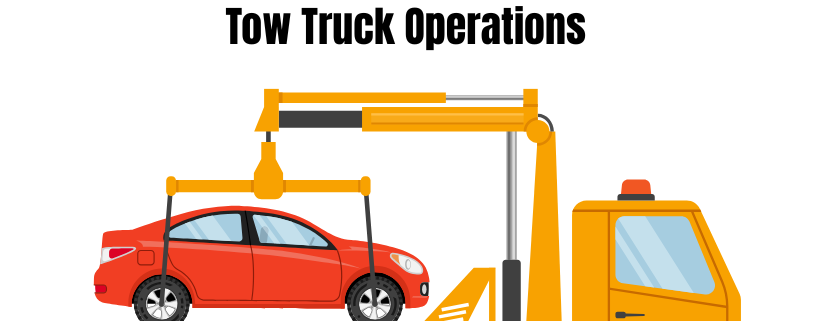
The towing industry has come a long way from relying solely on heavy chains and basic equipment. Today, modern tow truck operations are powered by advanced technology designed to improve safety, efficiency, and customer service. From GPS tracking and innovative dispatch systems to digital compliance tools, hydraulic lifting equipment, and onboard diagnostics, technology plays a critical role in how tow trucks operate on Australian roads. For tow truck operators, embracing these innovations means faster response times, safer vehicle handling, and a higher standard of service for every customer.

In this guide, we’ll look at how technology is reshaping tow truck operations, covering GPS tracking, digital compliance tools, hydraulic systems, onboard diagnostics, mobile apps, and even future innovations like AI. Each plays a vital role in making towing safer, faster, and more reliable for operators and customers alike.

1. GPS Tracking & Dispatch Systems

One of the most significant advancements in modern tow truck operations is the use of GPS tracking and innovative dispatch systems. Instead of relying on manual call logs or guesswork, towing companies can now track their fleet in real time, assign jobs based on proximity, and reduce response times significantly.

For operators, this technology means less fuel consumption, more innovative route planning, and faster turnaround. For customers, it ensures quicker service and greater transparency, often with live updates on when the tow truck will arrive. Many systems also integrate with job scheduling software and digital logbooks, helping tow truck businesses stay organised and compliant while improving efficiency on the road.

2. Digital Logbooks & Compliance Tools

Staying compliant is a non-negotiable part of running a professional tow truck operation. Traditional paper logbooks can be time-consuming and prone to errors, which is why many operators are now turning to digital logbooks and compliance software. These tools make it easy to record inspections, track service schedules, and store documentation in one secure platform.

With automated reminders for maintenance checks and instant access to records during roadside inspections or NHVR audits, operators reduce the risk of fines and downtime. Digital compliance systems also help businesses demonstrate professionalism and accountability, building trust with both regulators and customers. In short, embracing this technology keeps tow trucks roadworthy, compliant, and audit-ready at all times.

3. Hydraulic & Lifting Technology

At the heart of every modern tow truck is its hydraulic system—the powerhouse that makes safe and efficient vehicle recovery possible. Unlike older mechanical methods, today’s hydraulic booms, wheel lifts, and winches allow operators to lift and tow vehicles with far greater precision and stability.

Hydraulic & Lifting Technology reduces manual strain, improves safety for both the operator and the towed vehicle. It enables the recovery of heavier loads with ease. Regular maintenance of hoses, seals, and fluid levels is essential to avoid breakdowns. Still, when properly managed, hydraulics deliver consistent performance on every job. Combined with advanced lifting attachments and safety restraints, hydraulic technology has become the gold standard for professional towing operations in Australia.

4. Onboard Diagnostics & Monitoring Systems

Modern tow trucks are equipped with onboard diagnostics (OBD) and monitoring systems that provide real-time insights into vehicle performance. These systems track key metrics such as engine health, transmission status, brake performance, tyre pressure, and fluid levels, helping operators identify issues before they lead to costly breakdowns.

For towing businesses, OBD technology translates into lower maintenance costs, reduced downtime, and improved road safety. Some advanced systems even send alerts directly to fleet managers, ensuring prompt action when irregularities are detected. By using diagnostics to predict and prevent problems, operators can keep their tow trucks roadworthy, reliable, and compliant with safety standards—all while delivering uninterrupted service to customers.

5. Mobile Apps & Customer Communication Tools

Customer expectations in the towing industry have evolved, and technology is helping operators meet them head-on. Mobile apps and digital communication platforms now allow customers to book a tow truck, receive real-time updates, track the driver’s location, and even make secure payments—all from their phones.

These tools streamline workflow by reducing phone calls, automating job details, and ensuring accurate customer information. Features like digital invoices, automated SMS alerts, and ETA tracking not only improve efficiency but also build customer trust through transparency. By adopting these communication technologies, tow truck businesses can deliver a faster, smoother, and more professional service experience, setting themselves apart in a competitive market.

6. Future Innovations in Tow Truck Technology

Emerging technologies are shaping the future of tow truck operations, promising even greater efficiency and safety. Artificial Intelligence (AI) and machine learning are expected to power predictive maintenance systems, helping operators anticipate mechanical issues before they occur. Automation may soon assist with dispatching, route optimisation, and load management, reducing human error and saving time.

Additionally, advancements in electric and hybrid tow trucks will contribute to greener operations. At the same time, telematics and IoT sensors will provide deeper insights into fleet performance. These innovations aren’t just futuristic concepts—they’re already being tested and gradually introduced into towing fleets across Australia. For operators who embrace them early, the result will be more innovative, safer, and more sustainable towing services.

Why Choose CNB Towing

At CNB Towing, we believe that technology and expertise go hand in hand. Our fleet of modern tow trucks is equipped with the latest GPS tracking, hydraulic systems, and digital compliance tools. Whether you need emergency roadside assistance, heavy vehicle recovery, or long-distance transport, our trained operators deliver fast response times, transparent communication, and reliable service across South Australia. Choosing CNB Towing means selecting a company that values safety, compliance, and customer satisfaction above all else.

Conclusion

The towing industry has transformed through technology—bringing innovations like GPS dispatch, digital logbooks, hydraulic lifts, onboard diagnostics, and mobile communication tools that make operations safer and more efficient. As future advancements like AI and predictive maintenance emerge, towing will only become more innovative and more reliable.

For South Australian drivers, that means better service, faster response times, and peace of mind knowing that professional tow truck operators are using the best tools available.

Need reliable towing backed by modern technology? Contact CNB Towing today for 24/7 professional service across South Australia.

Frequently Asked Questions

1. How does GPS tracking improve tow truck services?

GPS tracking allows towing companies to monitor their fleet in real time, assign jobs based on the closest available truck, and reduce response times. For customers, it means faster arrivals and accurate ETAs.

2. Are digital logbooks required for tow truck operators in Australia?

While not mandatory everywhere, towing companies are adopting digital logbooks as they simplify compliance with NHVR standards, streamline record-keeping, and help avoid fines during roadside inspections.

3. What role do hydraulic systems play in modern tow trucks?

Hydraulic systems power the boom, wheel lift, and winch mechanisms, enabling operators to lift and tow vehicles of different sizes safely. They improve efficiency, reduce manual strain, and increase towing safety.

4. Can onboard diagnostics prevent tow truck breakdowns?

Yes. Onboard diagnostic systems monitor key vehicle components such as the engine, brakes, and transmission. They alert operators to issues early, helping prevent costly repairs and unexpected downtime.

5. How do mobile apps improve the customer towing experience?

Mobile apps let customers book a tow, track the driver’s location, receive ETA updates, and pay securely online. It improves transparency and convenience while reducing delays.

Go back

Your message has been sent

Warning
Warning
Warning
Warning

Warning.


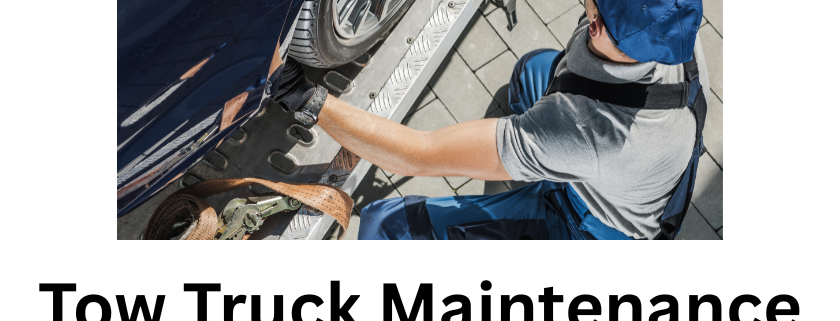
Tow Truck Maintenance Checklist

Running a tow truck safely and efficiently goes far beyond simply keeping it on the road, it requires a consistent maintenance routine that meets both safety and compliance standards. In Australia, tow truck operators are expected to maintain vehicles to a high standard to protect drivers, customers, and other road users. From daily pre-trip inspections to scheduled servicing, every check plays a role in preventing breakdowns, avoiding costly fines, and ensuring reliable towing operations.

This guide outlines the essential tow truck maintenance checklist you can follow to keep your vehicle roadworthy, compliant with regulations, and ready for any towing job.

1. Daily Pre-Trip Checks

Before every shift, tow truck drivers should complete a thorough pre-trip inspection to ensure the vehicle is safe, compliant, and fully functional. Skipping these quick checks can lead to breakdowns, accidents, or non-compliance penalties. A few minutes of preparation go a long way in protecting both the operator and the vehicles being towed.

Here is what to inspect daily:

Tyres

Check air pressure, tread depth, and sidewalls for wear, cracks, or bulges. Uneven wear may indicate suspension or alignment issues. Ensure tyres are inflated to the manufacturer’s recommended PSI for both the tow truck and any attached trailer. Do not forget the spare tyre—make sure it is in good condition, inflated, and ready for use in case of emergencies.

Lights and Indicators

Test headlights, brake lights, reverse lights, hazard lights, and tow lights before starting a trip. Proper lighting ensures maximum visibility, especially during night operations or in poor weather conditions. Replace any blown bulbs immediately and check the electrical connections for corrosion or loose wiring that could lead to failure on the road.

Brakes

Conduct a quick brake test before leaving the depot to confirm responsiveness and stopping power. Listen for unusual sounds such as grinding or squealing, which may indicate worn pads or rotors. For vehicles towing heavy loads, ensure the trailer brake system is also fully functional and synchronised with the tow truck for safe braking performance.

Load Restraints and Safety Equipment

Inspect winches, safety chains, hooks, and straps to confirm they are free from frays, rust, or damage. Test the winch under light tension before use to ensure smooth operation. Always carry backup restraints and verify that safety equipment, such as reflective vests, cones, and warning triangles, is easily accessible and in good condition.

Fluid Levels

Check engine oil, brake fluid, coolant, hydraulic fluid, power steering fluid, and windshield washer levels daily. Low or contaminated fluids can cause overheating, brake failure, or mechanical breakdowns. Top up as needed with manufacturer-approved products, and monitor for leaks that could signal larger mechanical issues.

Mirrors and Windscreen

Clean mirrors, windows, and windscreens thoroughly to maintain maximum visibility. Check for cracks, chips, or scratches that can obstruct a driver’s line of sight, especially at night or in direct sunlight. Replace damaged glass promptly, and adjust mirrors to eliminate blind spots before starting any towing operation.

By performing these tow truck pre-trip checks consistently, operators can reduce roadside risks, prevent downtime, and demonstrate a commitment to safe and professional towing operations.

2. Weekly / Routine Inspections

In addition to daily pre-trip checks, tow trucks require weekly routine inspections to catch early signs of wear and tear that may not be obvious during a quick daily check. These inspections ensure the truck remains reliable under demanding conditions and compliant with Australian road safety standards.

Key weekly maintenance checks include:

Battery Health

Inspect battery terminals, wiring, and connections for corrosion, looseness, or wear. Check the battery charge level and ensure it is holding power consistently. A weak or failing battery can cause unexpected breakdowns, especially when powering tow lights, hydraulic systems, or winches. Consider load testing the battery weekly to confirm reliability under heavy use.

Hydraulic Systems

Examine hoses, seals, pumps, and hydraulic reservoirs for leaks, cracks, or pressure loss. Ensure hydraulic fluid is topped up to the manufacturer’s specifications and replace it if contaminated. Since hydraulic power is essential for towing functions like lifting, tilting, and winching, even minor issues can lead to significant operational failures if ignored.

Tow Hitch, Boom, and Wheel Lift

Inspect the tow hitch, boom, wheel lift, and related components for cracks, bends, or stress points that may compromise safety. Ensure all moving parts are lubricated for smooth operation and reduced wear. Regularly test the lifting mechanisms under load to confirm stability, and replace any damaged pins, bolts, or welds immediately.

Emergency & Safety Gear

Verify that all emergency and safety gear is present, functional, and easily accessible. It includes traffic cones, reflective vests, wheel chocks, warning triangles, first aid kits, and fire extinguishers. Check expiry dates on fire extinguishers and restock first aid kits as necessary. Fully equipped safety gear ensures compliance and protects operators during roadside incidents.

Tyre Rotation & Wear Patterns

Review tyre wear weekly to detect uneven patterns that could indicate alignment, suspension, or load balance issues. Rotate tyres as per the manufacturer’s guidelines to promote even wear and extend their lifespan. Properly maintained tyres not only improve road safety and fuel efficiency but also reduce the risk of blowouts during heavy towing operations..

Carrying out these weekly tow truck inspections helps operators maintain roadworthiness, extend the vehicle’s lifespan, and reduce the risk of costly breakdowns while on the job.

3. Monthly / Scheduled Maintenance

While daily and weekly inspections help catch immediate issues, tow trucks also require scheduled monthly maintenance to keep the vehicle in peak condition. These checks are more detailed and usually performed by qualified mechanics to ensure compliance with state regulations and industry standards.

Essential monthly or scheduled maintenance tasks include:

Brake System Inspection

Conduct a comprehensive inspection of brake pads, rotors, drums, callipers, and hydraulic lines. Look for excessive wear, cracks, leaks, or uneven braking performance. Test both the truck’s brakes and any connected trailer braking systems to ensure safe stopping under heavy loads. Schedule replacement of worn components before failure occurs, as braking performance is critical to road safety and compliance.

Engine Diagnostics & Tune-Up

Run a complete engine diagnostic scan to detect early performance issues such as misfires, fuel inefficiency, or sensor faults. Replace spark plugs, adjust timing, and clean the fuel injection system if necessary. A monthly tune-up helps prevent costly breakdowns, improves fuel economy, and ensures the tow truck has the power and reliability needed for heavy towing operations.

Transmission & Clutch Servicing

Inspect the gearbox, clutch plates, and transmission fluid for wear or damage. Look for leaks around seals and check for difficulty in gear changes or slipping clutches. Regular servicing ensures smooth gear transitions, reduces strain on the drivetrain, and enhances towing reliability—especially when hauling heavy vehicles over long distances.

Suspension & Steering Alignment

Check shocks, struts, ball joints, and steering linkages for signs of wear, leaks, or misalignment. Poor suspension can reduce towing stability, while steering issues may cause uneven tyre wear or difficulty controlling the vehicle. Proper alignment ensures a smoother ride, reduces driver fatigue, and maintains safe handling under all towing conditions.

Belts, Hoses & Filters

Inspect and replace serpentine belts, fan belts, and hoses that show signs of cracks, fraying, or leaks. Blocked or dirty air, fuel, and oil filters should also be replaced to maintain engine efficiency and prevent contamination. Keeping these components in top condition reduces the risk of sudden breakdowns and prolongs the overall lifespan of the tow truck.

By committing to regular tow truck servicing and monthly inspections, operators can extend the life of their fleet, meet compliance requirements, and guarantee safe, uninterrupted towing services.

4. Compliance & Record Keeping

Maintenance is not just about keeping a tow truck running smoothly—it is also about meeting legal and compliance obligations. In Australia, tow truck operators are expected to maintain accurate records that prove their vehicles are roadworthy and regularly serviced. This documentation is often reviewed during inspections or audits, making it an essential part of safe operations.

Key compliance and record-keeping practices include:

Maintenance Logbook

Maintain a detailed logbook or digital maintenance record that documents every inspection, service, and repair performed on the tow truck. Include the date, mileage, technician details, and nature of the work. A consistent log not only helps track wear-and-tear patterns but also serves as legal proof of compliance with safety and servicing standards.

Regulatory Inspections

Tow trucks operating in Australia must meet state-based roadworthiness requirements as well as NHVR (National Heavy Vehicle Regulator) standards for heavy vehicles. Schedule and record these inspections on time to avoid penalties or suspensions. Staying compliant ensures that tow trucks are safe to operate and legally fit for service.

Audit Readiness

Keep all maintenance, repair, and inspection documentation well-organised and easily accessible. Authorities may conduct random roadside inspections or formal compliance audits, and missing records can result in fines or downtime. Having a complete paper trail demonstrates professionalism and reduces the stress of last-minute audits.

Operator & Driver Responsibility

Drivers play a critical role in compliance and safety reporting. Train all operators to perform daily pre-trip inspections, record issues accurately, and report mechanical problems immediately. Encouraging accountability ensures that even minor concerns are addressed before they escalate into significant compliance risks.

By maintaining accurate records and following tow truck compliance procedures, operators not only meet legal obligations but also build trust and credibility with clients who depend on safe, professional, and reliable towing services.

Conclusion

Staying on top of tow truck maintenance is not just about protecting your vehicle—it is about ensuring the safety of your drivers, customers, and other road users. From daily pre-trip checks to scheduled monthly servicing, every step in the maintenance process plays a crucial role in keeping tow trucks roadworthy, reliable, and compliant with Australian regulations.

At CNB Towing, we know how important safe operations are. Our team is committed to providing professional, well-maintained tow truck services across South Australia, available 24/7 to give you peace of mind when you need it most.

Need reliable towing support or have questions about tow truck safety?

Contact CNB Towing today and speak with our experienced team, we are here to keep you moving safely.

Frequently Asked Questions (FAQ)

1. How often should a tow truck be serviced?

Tow trucks should undergo daily pre-trip checks, weekly inspections, and monthly scheduled servicing. A complete professional service is typically required every 10,000–15,000 km or as recommended by the manufacturer.

2. What are the most important daily checks for a tow truck?

Daily checks include tyres, brakes, lights, mirrors, fluid levels, and towing equipment such as winches, hooks, and safety chains. These quick inspections help prevent breakdowns and ensure road safety compliance.

3. Do tow truck operators need to keep maintenance records?

Yes, keeping a maintenance logbook with inspection reports, repairs, and servicing details is a legal requirement in most states. Accurate records also demonstrate professionalism and readiness for audits.

4. Why is hydraulic system maintenance important for tow trucks?

Hydraulic systems power key towing functions like lifting and winching. Regular checks prevent leaks, pressure loss, and mechanical failure, ensuring safe and efficient operations.

5. Can poor maintenance affect tow truck compliance?

Yes, a poorly maintained tow truck can be deemed unroadworthy, leading to fines, penalties, or suspension of towing licenses. Proper upkeep protects both operators and customers.

Go back

Your message has been sent

Warning
Warning
Warning
Warning

Warning.

towing near me

Towing may look straightforward, but even small mistakes can lead to accidents, vehicle damage, or costly fines. Many drivers attempt to handle towing themselves without understanding the risks involved. At CNB Towing, we have seen the consequences of these errors firsthand, which is why we emphasise safe practices and professional support. In this post, we will outline the most common towing mistakes and explain how to avoid them—so your vehicle, and everyone on the road, stays safe.

Common Towing Mistakes to Avoid

1. Overloading the Tow Vehicle

One of the most common towing mistakes drivers make is exceeding the weight limit of their car or tow vehicle. Overloading puts unnecessary strain on the engine, transmission, and brakes, while also making the setup unstable on the road. It can lead to poor handling, longer stopping distances, and in worst cases, complete loss of control.

How to Avoid It:

Always check your vehicle’s Gross Vehicle Mass (GVM) and Gross Combination Mass (GCM) before towing. These figures tell you the maximum weight your vehicle can safely carry and tow. If you are unsure about your load capacity, CNB Towing provides the right trucks and equipment to handle heavy vehicles, machinery, and containers securely, removing the guesswork and keeping your journey safe.

2. Improper Weight Distribution

Even when the load is within limits, placing too much weight at the front, rear, or on one side of a trailer can cause dangerous sway and instability. Unbalanced loads put uneven pressure on tyres, increase the risk of jackknifing, and make it harder to steer or brake safely.

How to Avoid It:

Always aim for balanced weight distribution, keeping around 60% of the load toward the front half of the trailer and securing it with quality tie-downs. If you are transporting machinery, containers, or oversized vehicles, CNB Towing uses specialised equipment and trained operators to ensure every load is evenly positioned and safely restrained—so your vehicle arrives without risk.

3. Neglecting Towing Mirrors and Visibility

Limited visibility is one of the most significant risks when towing. Many drivers skip installing proper towing mirrors, making it challenging to monitor blind spots or see approaching traffic. This not only increases the chance of accidents but can also result in fines, as adequate visibility is a legal requirement in South Australia.

How to Avoid It:

Always fit extended towing mirrors when your trailer or load is wider than your vehicle. They provide the clear rear view needed for safe lane changes, turns, and reversing. At CNB Towing, our trucks are equipped with the right mirrors, lighting, and visibility tools to ensure maximum safety on the road, protecting both your vehicle and others around you.

4. Ignoring Road Speed and Braking Distances

Towing significantly changes how a vehicle handles, yet many drivers make the mistake of driving at normal speeds without accounting for the extra weight. Heavy loads take longer to stop, reduce acceleration, and make sudden manoeuvres unsafe. Pushing the speed limit while towing not only increases accident risk but can also lead to hefty penalties.

How to Avoid It:

Always drive slower than you would without a load, and allow extra distance between your vehicle and the one in front. Smooth braking and steady acceleration reduce stress on both the tow vehicle and trailer. CNB Towing’s professional operators are trained to manage speed and braking safely under all conditions, ensuring your vehicle is transported without unnecessary risk.

5. Using the Wrong Equipment or Attempting DIY Towing

Many drivers assume that any rope, chain, or vehicle can handle a tow. In reality, using the wrong equipment or trying a DIY solution can cause severe vehicle damage, equipment failure, or even accidents on the road. Without proper tilt trays, winches, and safety restraints, towing becomes unsafe for both the driver and other road users.

How to Avoid It:

Always use the correct towing equipment and a vehicle designed for the job. If you are unsure, it is safer and more cost-effective to call professionals. CNB Towing is equipped with purpose-built tow trucks, advanced recovery gear, and trained operators who ensure every job is done right the first time, removing the risks of DIY towing.

Conclusion

Towing mistakes like overloading, poor weight distribution, or using the wrong equipment can quickly turn a simple job into a costly and dangerous problem. By recognising these risks and avoiding them, you keep yourself, your vehicle, and others on the road safe. However, the best way to eliminate these challenges is to leave the job to professionals.

Why Choose CNB Towing to Avoid Towing Mistakes

At CNB Towing, we combine over a decade of experience with purpose-built tow trucks, advanced safety equipment, and 24/7 availability across South Australia. Whether it is an emergency breakdown, accident recovery, or scheduled vehicle transport, our team ensures your vehicle is moved safely, legally, and efficiently.

When you need a reliable solution and find yourself searching for an emergency tow truck near me, choose CNB Towing—we will get the job done right, every time.

Frequently Asked Questions

1. What is the most common towing mistake drivers make?

Overloading the tow vehicle or trailer—and not understanding its weight limits—is the most frequent error. Exceeding Gross Vehicle Mass (GVM) or Gross Combination Mass (GCM) compromises handling, braking, and safety on the road. Always check your vehicle’s towing capacity before you hook up.

2. Why is proper weight distribution important when towing?

Even a correctly weighed load can be dangerous if the weight is not balanced properly. An unbalanced trailer can sway, increase the risk of jackknifing, and create uneven tyre pressure, putting you in control-risk situations.

3. What towing equipment mistakes should I avoid?

Using the wrong hitch, incorrect ball size, or skipping safety chains are critical mistakes. A mismatched hitch or ball can cause disconnection, while improperly crossed safety chains may fail in emergencies.

4. How does tyre pressure affect towing safety?

Low tyre pressure increases friction and overheating risk, leading to blowouts—or even rollovers. It is vital to check tyre pressure on both your tow vehicle and trailer before setting off.

5. Can towing laws affect my journey?

Absolutely. Many regions require proper lighting, mirrors, and safety equipment, plus strict speed limits. Overweight trailers or non-compliant setups can incur severe fines—even legal trouble

Go back

Your message has been sent

Warning
Warning
Warning
Warning

Warning.

when you need a tow truck in adelaide

When your vehicle breaks down, every minute matters, most drivers quickly search for an “emergency tow truck near me” to get back on the road safely. At CNB Towing, we provide fast, reliable, and professional towing services across South Australia—day or night. Whether it’s a breakdown, accident, or roadside emergency, our experienced team ensures that help is never far away.

In this post, we’ll cover the top five situations where you’ll need a tow truck near me and show how CNB Towing provides fast, reliable solutions to get you moving again—whether it’s a breakdown, accident, or unwanted vehicle.

Do You Need a Tow Truck Near Me? CNB Towing is Here!

1. Breakdowns on the Road

A breakdown can happen without warning. Your car won’t start, the engine overheats, or a mechanical fault forces you to pull over. In these moments, searching for an emergency tow truck near me is the fastest way to get help. CNB Towing is ready 24/7 to respond, safely load your vehicle, and transport it to your trusted mechanic or repair shop so you’re never left stranded on the roadside.

2. Accidents and Collisions

After a collision (even a minor one) your vehicle may no longer be safe to drive. Trying to push through could cause further damage or risk your safety on the road, this is where CNB Towing steps in. We provide prompt accident recovery, carefully loading and transporting your car to a repairer or secure location. Our team ensures the process is stress-free so you can focus on what matters most after the incident.

3. Flat Tyres or Mechanical Failures

Sometimes it’s not a complete breakdown or accident that stops you, but a flat tyre, dead battery, or another mechanical failure that can’t be fixed on the spot. When roadside assistance isn’t enough, CNB Towing provides the dependable backup you need. We’ll collect your vehicle quickly and get it to a workshop or safe location, saving you time and keeping you out of risky roadside situations.

4. Vehicle Transport Needs

Not every tow is an emergency; sometimes you need a safe and reliable way to move a vehicle from one place to another. Whether it’s transporting a caravan for a holiday, shifting machinery for work, or driving a car that isn’t currently registered, CNB Towing has the right equipment and experience to handle the job. We ensure your vehicle or load is transported securely and delivered on time, giving you peace of mind every step of the way.

5. Unwanted or Damaged Vehicles

Old, damaged, or unwanted vehicles can take up valuable space and become a hassle to deal with. Instead of letting them sit idle, CNB Towing offers a quick vehicle removal service with the added benefit of cash for cars. We’ll collect the vehicle directly from your location, handle the entire process, and ensure you’re left with both a clear space and instant payment—making it the simplest way to get rid of a car you no longer need.

Conclusion

From unexpected breakdowns and road accidents to moving caravans or clearing out an unwanted car, these situations all require fast and dependable towing support. CNB Towing is available 24/7 across South Australia, equipped to handle every scenario with professionalism and care. When you find yourself searching for an emergency tow truck near me make the call to CNB Towing. We’ll get you moving again quickly and safely.

Go back

Your message has been sent

Warning
Warning
Warning
Warning

Warning.

tow truck inspection in australia

Tow truck operators in Australia are subject to regular inspections and compliance audits to ensure their vehicles, equipment, and operations meet legal safety standards. State transport authorities carry out these checks and can be scheduled or unannounced.

Whether you run a single tow truck or a fleet, passing these inspections is essential for staying licensed and avoiding costly downtime. Failing an audit can lead to fines, defect notices, or even suspension of your towing accreditation.

This guide explains how tow truck inspections work in Australia, what inspectors look for, how often they occur, and the key steps you can take to ensure you remain compliant.

Types of Tow Truck Inspections in Australia

Tow truck inspections are designed to ensure vehicles meet the Australian Design Rules (ADRs) and the specific requirements of each state’s towing legislation. These checks can happen in several ways, depending on the state or territory where you operate.

1. Scheduled Annual Inspections

Most states require at least one formal inspection every 12 months for all accredited tow trucks.

These inspections are booked in advance at an authorised inspection station or a government transport facility.

Book Your Tow Truck Inspection Today with CNB Towing

What’s Checked:

  • Lighting and electrical systems (including amber beacons)
  • Hydraulic and winch operation
  • Load restraint equipment (wheel straps, chains)
  • Signage and vehicle identification
  • Braking systems and tyres
  • Fire extinguisher service dates

Example:

In South Australia, tow trucks fall under the National Heavy Vehicle Inspection Scheme (NHVIS), requiring annual inspections at DIT-approved facilities.

In Queensland, accident tow trucks must pass a yearly Certificate of Inspection (COI) conducted by an approved examiner.

2. Random Roadside Compliance Checks

Road transport inspectors and police have the authority to stop tow trucks for on-the-spot inspections.

These checks are standard in metropolitan accident zones and major highways.

What’s Checked:

  • Driver’s licence and tow truck accreditation
  • Visible safety issues (lights, tyre condition, load security)
  • Logbooks and trip records
  • High-visibility clothing and PPE compliance

Example:

In NSW, Fair Trading inspectors often conduct surprise roadside checks, particularly on high-volume accident corridors like the M4 and M5.

3. Post-Incident Inspections

If a tow truck is involved in a crash, mechanical fault, or reported safety breach, authorities may require an immediate inspection before it can return to service.

Why It Happens:

  • To determine if equipment failure contributed to an incident
  • To ensure the vehicle is still roadworthy
  • To confirm operator compliance with the Tow Truck Industry Act or equivalent legislation

4. Fleet Audits for Accredited Operators

Large towing companies may undergo compliance audits that review not just the trucks, but also:

  • Maintenance schedules
  • Staff training records
  • Insurance policies
  • Chain of Responsibility (CoR) procedures

These audits can take place every 1–3 years, depending on the operator’s risk profile.

Key Items Inspectors Look For

Tow truck inspections are highly structured, and inspectors follow detailed checklists aligned with state regulations and the Australian Design Rules (ADRs). Knowing these requirements in advance can help you avoid costly failures.

1. Vehicle Identification & Licensing

Inspectors confirm that the tow truck:

  • Displays a valid tow truck licence plate and operator number
  • Shows approved business signage in compliance with size and placement rules
  • Has up-to-date registration and insurance documents onboard

Example: 

In NSW, Fair Trading requires all licensed tow trucks to display the operator’s licence number in letters at least 50 mm high on both sides of the vehicle.

2. Safety Equipment

  • All safety gear must be present, functional, and within service dates. This includes:
  • At least one 2.5 kg fire extinguisher (tagged and tested within the last 12 months)
  • Wheel chocks and load restraint straps/chains compliant with AS/NZS 4380
  • Reflective triangles and high-visibility vests for operators

According to the NHVAS Safety Report, nearly 18% of tow truck compliance failures involve expired or missing safety equipment.

3. Mechanical Condition

Inspectors assess critical systems to ensure the vehicle is safe to operate:

  • Brakes and brake lines
  • Steering components
  • Suspension and tyres (tread depth ≥ 1.5 mm for light vehicles; ≥ 3 mm for heavy tow trucks)
  • Hydraulic systems (no leaks, smooth operation)
  • Lights and indicators, including hazard and amber beacons

4. Towing & Recovery Equipment

Tow trucks must carry and maintain all required recovery gear, including:

  • Winches and cables in good condition (no fraying or corrosion)
  • Two bars and hooks compliant with ADR 62/02
  • Under-lift arms and wheel lifts with no excessive wear.

In Victoria, VicRoads inspectors regularly fail vehicles for damaged winch cables or missing safety catches.

5. Operator Records & Compliance Paperwork

For complete compliance, inspectors often review:

  • Maintenance logs showing regular servicing
  • Operator accreditation cards for all drivers
  • Load restraint training certificates
  • Trip sheets and job records

Some states, like Queensland, now accept digital records, but operators must ensure they’re accessible during inspections.

tow truck inspection and audit

How Often Tow Truck Inspections Occur in Each State

Tow truck inspection frequency varies across Australia, but all states require at least one annual safety inspection for licensed vehicles. High-risk operators or those with past compliance issues may face more frequent checks.

  • New South Wales (NSW)

Annually for licensed tow trucks; additional random roadside inspections possible.

Authority: NSW Fair Trading & NSW Police.

Heavy tow trucks over 4.5 tonnes must also undergo an Annual Heavy Vehicle Inspection under the Roads and Maritime Services (RMS) scheme.

  • Victoria (VIC)

Annual inspection required for accreditation renewal; random roadside audits by VicRoads or Victoria Police.

Authority: VicRoads Tow Truck Licensing Scheme.

Any major mechanical repair must be followed by a compliance recheck before the vehicle returns to service.

  • Queensland (QLD)

Annual Certificate of Inspection (COI) required for all tow trucks. High-volume operators may be inspected twice yearly.

Authority: Queensland Department of Transport and Main Roads (TMR).

In 2023, QLD TMR reported that 15% of tow truck inspections resulted in defect notices, often for brake and lighting issues.

  • South Australia (SA)

Annual roadworthiness check plus random audits by SA Police or Department for Infrastructure and Transport.

Authority: SA Department for Infrastructure and Transport.

Any vehicle involved in a significant crash must be reinspected before returning to service.

  • Western Australia (WA)

Annual inspection for heavy tow trucks; light tow trucks follow standard vehicle licensing inspections.

Authority: Department of Transport WA.

Regional operators may have to attend central inspection depots, which can require booking.

  • Tasmania (TAS)

Annual roadworthy inspection; additional checks after major modifications.

Authority: Transport Tasmania.

Tow trucks used for salvage work in hazardous areas may face safety audits from WorkSafe Tasmania.

Australian Capital Territory (ACT) & Northern Territory (NT)

Annual roadworthy check; occasional random audits.

Authority: Access Canberra (ACT) & Department of Infrastructure, Planning and Logistics (NT).

Tip: Keeping accurate maintenance logs and ensuring safety gear is always ready can help you pass both scheduled and surprise inspections without delays.

Common Reasons Tow Trucks Fail Inspections

While most tow truck operators maintain their vehicles to a safe standard, compliance data from state transport authorities shows that mechanical issues and missing safety equipment are the leading causes of inspection failures.

1. Brake System Defects

Brake system defects are one of the most common defects flagged in QLD, NSW, and VIC. it includes Worn brake pads, fluid leaks, and unbalanced braking performance.

Tow trucks with brake defects are immediately grounded until repairs are made.

2. Faulty or Missing Lights

Common Issues are non-functioning headlights, brake lights, indicator lamps, and amber NSW RMS roadside checks in 2022 found that 12% of heavy tow trucks had at least one faulty light.

3. Tyre Wear and Damage

Signs including bald tyres, sidewall cracks, and mismatched tyre ratings.

Standard: Tyre tread depth must meet the Australian Design Rules (ADR) minimum of 1.5mm for light vehicles and 3mm for heavy tow trucks.

4. Missing or Outdated Safety Equipment

Fire extinguishers without current tags, missing wheel chocks, damaged tie-down straps.

Tip: Keep a monthly checklist for all onboard safety gear, many operators fail audits over easily preventable lapses.

5. Excessive Oil Leaks

Leaks from the engine, gearbox, or hydraulics not only fail inspections but also pose environmental hazards.

Persistent leaks can trigger defect notices under the Australian Vehicle Standards Rules.

6. Poor Signage & Markings

Clear company name, tow truck licence number, and emergency contact number must be displayed.

Faded paint or incorrect font sizes are failures of tow truck inspection

Queensland TMR’s compliance report noted that brake issues, tyre defects, and faulty lights made up over 70% of all tow truck inspection failures.

Key Steps to Stay Compliant

Keep Detailed Maintenance Records:

Document all repairs, servicing, and inspections for at least 12 months, as authorities may request proof during audits.

Conduct Pre-Trip Checks:

Inspect brakes, lights, tyres, hydraulic systems, and safety equipment before every job.

Stay Updated on Regulations:

  • Laws differ by state, so regularly review your state transport authority’s guidelines.
  • Train Your Drivers:
  • Ensure all operators understand safety protocols, load limits, and emergency procedures.

Schedule Internal Audits:

Conduct your compliance checks at least quarterly to identify and address issues early.

Schedule a Compliance Check with Our Experts at CNB Towing

Conclusion

Tow truck inspections and compliance audits are vital safeguards for road safety, operational reliability, and your business reputation. By understanding the inspection types, knowing what authorities look for, and maintaining your vehicle to the required standards, you reduce downtime, avoid costly penalties, and maintain trust with customers.

Compliance is an ongoing process. Keeping detailed maintenance records, running your internal checks, and staying updated on state regulations will keep your tow truck on the road and your licence in good standing.

Frequently Asked Questions (FAQs)

1. How often are tow truck inspections carried out in Australia?

Frequency varies by state. For example, NSW requires annual inspections for accredited tow trucks, while QLD may conduct random roadside checks in addition to scheduled inspections.

2. Who conducts tow truck compliance audits?

State transport authorities (such as Transport for NSW, QLD TMR, or VIC Roads) carry out both scheduled and unannounced audits to check safety, licensing, and operational compliance.

3. What documents should I have ready for an inspection?

Commonly requested documents include tow truck accreditation, driver’s licence, maintenance logs, and proof of insurance.

4. Can I keep operating if I fail an inspection?

It depends on the severity of the defect. Minor issues may require repairs within a set timeframe, while major safety defects can lead to immediate grounding.

5. How can I prepare for an unannounced audit?

Keep all equipment in working order, ensure your safety gear is up-to-date, and regularly review your compliance checklist. Being inspection-ready at all times is the best defence.

Why Choose CNB Towing

At CNB Towing, we operate with safety and compliance at the core of our service. Our tow trucks are maintained to exceed Australian safety standards, and our drivers are fully trained in both operational and legal requirements. We use a proactive inspection approach, ensuring our fleet is audit-ready at all times, so when you choose us, you’re choosing reliability, safety, and a team that values professionalism above all else.

Whether it’s roadside assistance, accident recovery, or scheduled transport, you can count on CNB Towing to deliver prompt, compliant, and expert towing solutions across South Australia.

Keep Your Fleet Legal and Safe, Partner with CNB Towing

Go back

Your message has been sent

Warning
Warning
Warning
Warning

Warning.