Essential Tow Truck Maintenance Checklist for Safe Operation
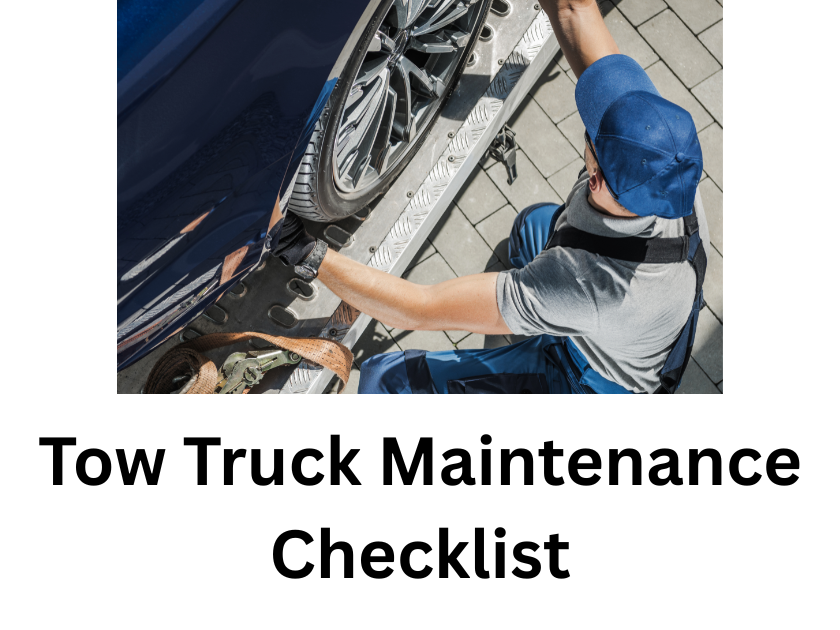
Running a tow truck safely and efficiently goes far beyond simply keeping it on the road, it requires a consistent maintenance routine that meets both safety and compliance standards. In Australia, tow truck operators are expected to maintain vehicles to a high standard to protect drivers, customers, and other road users. From daily pre-trip inspections to scheduled servicing, every check plays a role in preventing breakdowns, avoiding costly fines, and ensuring reliable towing operations.
This guide outlines the essential tow truck maintenance checklist you can follow to keep your vehicle roadworthy, compliant with regulations, and ready for any towing job.
1. Daily Pre-Trip Checks
Before every shift, tow truck drivers should complete a thorough pre-trip inspection to ensure the vehicle is safe, compliant, and fully functional. Skipping these quick checks can lead to breakdowns, accidents, or non-compliance penalties. A few minutes of preparation go a long way in protecting both the operator and the vehicles being towed.
Here is what to inspect daily:
Tyres
Check air pressure, tread depth, and sidewalls for wear, cracks, or bulges. Uneven wear may indicate suspension or alignment issues. Ensure tyres are inflated to the manufacturer’s recommended PSI for both the tow truck and any attached trailer. Do not forget the spare tyre—make sure it is in good condition, inflated, and ready for use in case of emergencies.
Lights and Indicators
Test headlights, brake lights, reverse lights, hazard lights, and tow lights before starting a trip. Proper lighting ensures maximum visibility, especially during night operations or in poor weather conditions. Replace any blown bulbs immediately and check the electrical connections for corrosion or loose wiring that could lead to failure on the road.
Brakes
Conduct a quick brake test before leaving the depot to confirm responsiveness and stopping power. Listen for unusual sounds such as grinding or squealing, which may indicate worn pads or rotors. For vehicles towing heavy loads, ensure the trailer brake system is also fully functional and synchronised with the tow truck for safe braking performance.
Load Restraints and Safety Equipment
Inspect winches, safety chains, hooks, and straps to confirm they are free from frays, rust, or damage. Test the winch under light tension before use to ensure smooth operation. Always carry backup restraints and verify that safety equipment, such as reflective vests, cones, and warning triangles, is easily accessible and in good condition.
Fluid Levels
Check engine oil, brake fluid, coolant, hydraulic fluid, power steering fluid, and windshield washer levels daily. Low or contaminated fluids can cause overheating, brake failure, or mechanical breakdowns. Top up as needed with manufacturer-approved products, and monitor for leaks that could signal larger mechanical issues.
Mirrors and Windscreen
Clean mirrors, windows, and windscreens thoroughly to maintain maximum visibility. Check for cracks, chips, or scratches that can obstruct a driver’s line of sight, especially at night or in direct sunlight. Replace damaged glass promptly, and adjust mirrors to eliminate blind spots before starting any towing operation.
By performing these tow truck pre-trip checks consistently, operators can reduce roadside risks, prevent downtime, and demonstrate a commitment to safe and professional towing operations.
2. Weekly / Routine Inspections
In addition to daily pre-trip checks, tow trucks require weekly routine inspections to catch early signs of wear and tear that may not be obvious during a quick daily check. These inspections ensure the truck remains reliable under demanding conditions and compliant with Australian road safety standards.
Key weekly maintenance checks include:
Battery Health
Inspect battery terminals, wiring, and connections for corrosion, looseness, or wear. Check the battery charge level and ensure it is holding power consistently. A weak or failing battery can cause unexpected breakdowns, especially when powering tow lights, hydraulic systems, or winches. Consider load testing the battery weekly to confirm reliability under heavy use.
Hydraulic Systems
Examine hoses, seals, pumps, and hydraulic reservoirs for leaks, cracks, or pressure loss. Ensure hydraulic fluid is topped up to the manufacturer’s specifications and replace it if contaminated. Since hydraulic power is essential for towing functions like lifting, tilting, and winching, even minor issues can lead to significant operational failures if ignored.
Tow Hitch, Boom, and Wheel Lift
Inspect the tow hitch, boom, wheel lift, and related components for cracks, bends, or stress points that may compromise safety. Ensure all moving parts are lubricated for smooth operation and reduced wear. Regularly test the lifting mechanisms under load to confirm stability, and replace any damaged pins, bolts, or welds immediately.
Emergency & Safety Gear
Verify that all emergency and safety gear is present, functional, and easily accessible. It includes traffic cones, reflective vests, wheel chocks, warning triangles, first aid kits, and fire extinguishers. Check expiry dates on fire extinguishers and restock first aid kits as necessary. Fully equipped safety gear ensures compliance and protects operators during roadside incidents.
Tyre Rotation & Wear Patterns
Review tyre wear weekly to detect uneven patterns that could indicate alignment, suspension, or load balance issues. Rotate tyres as per the manufacturer’s guidelines to promote even wear and extend their lifespan. Properly maintained tyres not only improve road safety and fuel efficiency but also reduce the risk of blowouts during heavy towing operations..
Carrying out these weekly tow truck inspections helps operators maintain roadworthiness, extend the vehicle’s lifespan, and reduce the risk of costly breakdowns while on the job.
3. Monthly / Scheduled Maintenance
While daily and weekly inspections help catch immediate issues, tow trucks also require scheduled monthly maintenance to keep the vehicle in peak condition. These checks are more detailed and usually performed by qualified mechanics to ensure compliance with state regulations and industry standards.
Essential monthly or scheduled maintenance tasks include:
Brake System Inspection
Conduct a comprehensive inspection of brake pads, rotors, drums, callipers, and hydraulic lines. Look for excessive wear, cracks, leaks, or uneven braking performance. Test both the truck’s brakes and any connected trailer braking systems to ensure safe stopping under heavy loads. Schedule replacement of worn components before failure occurs, as braking performance is critical to road safety and compliance.
Engine Diagnostics & Tune-Up
Run a complete engine diagnostic scan to detect early performance issues such as misfires, fuel inefficiency, or sensor faults. Replace spark plugs, adjust timing, and clean the fuel injection system if necessary. A monthly tune-up helps prevent costly breakdowns, improves fuel economy, and ensures the tow truck has the power and reliability needed for heavy towing operations.
Transmission & Clutch Servicing
Inspect the gearbox, clutch plates, and transmission fluid for wear or damage. Look for leaks around seals and check for difficulty in gear changes or slipping clutches. Regular servicing ensures smooth gear transitions, reduces strain on the drivetrain, and enhances towing reliability—especially when hauling heavy vehicles over long distances.
Suspension & Steering Alignment
Check shocks, struts, ball joints, and steering linkages for signs of wear, leaks, or misalignment. Poor suspension can reduce towing stability, while steering issues may cause uneven tyre wear or difficulty controlling the vehicle. Proper alignment ensures a smoother ride, reduces driver fatigue, and maintains safe handling under all towing conditions.
Belts, Hoses & Filters
Inspect and replace serpentine belts, fan belts, and hoses that show signs of cracks, fraying, or leaks. Blocked or dirty air, fuel, and oil filters should also be replaced to maintain engine efficiency and prevent contamination. Keeping these components in top condition reduces the risk of sudden breakdowns and prolongs the overall lifespan of the tow truck.
By committing to regular tow truck servicing and monthly inspections, operators can extend the life of their fleet, meet compliance requirements, and guarantee safe, uninterrupted towing services.
4. Compliance & Record Keeping
Maintenance is not just about keeping a tow truck running smoothly—it is also about meeting legal and compliance obligations. In Australia, tow truck operators are expected to maintain accurate records that prove their vehicles are roadworthy and regularly serviced. This documentation is often reviewed during inspections or audits, making it an essential part of safe operations.
Key compliance and record-keeping practices include:
Maintenance Logbook
Maintain a detailed logbook or digital maintenance record that documents every inspection, service, and repair performed on the tow truck. Include the date, mileage, technician details, and nature of the work. A consistent log not only helps track wear-and-tear patterns but also serves as legal proof of compliance with safety and servicing standards.
Regulatory Inspections
Tow trucks operating in Australia must meet state-based roadworthiness requirements as well as NHVR (National Heavy Vehicle Regulator) standards for heavy vehicles. Schedule and record these inspections on time to avoid penalties or suspensions. Staying compliant ensures that tow trucks are safe to operate and legally fit for service.
Audit Readiness
Keep all maintenance, repair, and inspection documentation well-organised and easily accessible. Authorities may conduct random roadside inspections or formal compliance audits, and missing records can result in fines or downtime. Having a complete paper trail demonstrates professionalism and reduces the stress of last-minute audits.
Operator & Driver Responsibility
Drivers play a critical role in compliance and safety reporting. Train all operators to perform daily pre-trip inspections, record issues accurately, and report mechanical problems immediately. Encouraging accountability ensures that even minor concerns are addressed before they escalate into significant compliance risks.
By maintaining accurate records and following tow truck compliance procedures, operators not only meet legal obligations but also build trust and credibility with clients who depend on safe, professional, and reliable towing services.
Conclusion
Staying on top of tow truck maintenance is not just about protecting your vehicle—it is about ensuring the safety of your drivers, customers, and other road users. From daily pre-trip checks to scheduled monthly servicing, every step in the maintenance process plays a crucial role in keeping tow trucks roadworthy, reliable, and compliant with Australian regulations.
At CNB Towing, we know how important safe operations are. Our team is committed to providing professional, well-maintained tow truck services across South Australia, available 24/7 to give you peace of mind when you need it most.
Need reliable towing support or have questions about tow truck safety?
Contact CNB Towing today and speak with our experienced team, we are here to keep you moving safely.
Frequently Asked Questions (FAQ)
1. How often should a tow truck be serviced?
Tow trucks should undergo daily pre-trip checks, weekly inspections, and monthly scheduled servicing. A complete professional service is typically required every 10,000–15,000 km or as recommended by the manufacturer.
2. What are the most important daily checks for a tow truck?
Daily checks include tyres, brakes, lights, mirrors, fluid levels, and towing equipment such as winches, hooks, and safety chains. These quick inspections help prevent breakdowns and ensure road safety compliance.
3. Do tow truck operators need to keep maintenance records?
Yes, keeping a maintenance logbook with inspection reports, repairs, and servicing details is a legal requirement in most states. Accurate records also demonstrate professionalism and readiness for audits.
4. Why is hydraulic system maintenance important for tow trucks?
Hydraulic systems power key towing functions like lifting and winching. Regular checks prevent leaks, pressure loss, and mechanical failure, ensuring safe and efficient operations.
5. Can poor maintenance affect tow truck compliance?
Yes, a poorly maintained tow truck can be deemed unroadworthy, leading to fines, penalties, or suspension of towing licenses. Proper upkeep protects both operators and customers.