Heavy-Duty Tow Trucks vs. Standard Tow Trucks – Which One Should You Choose?
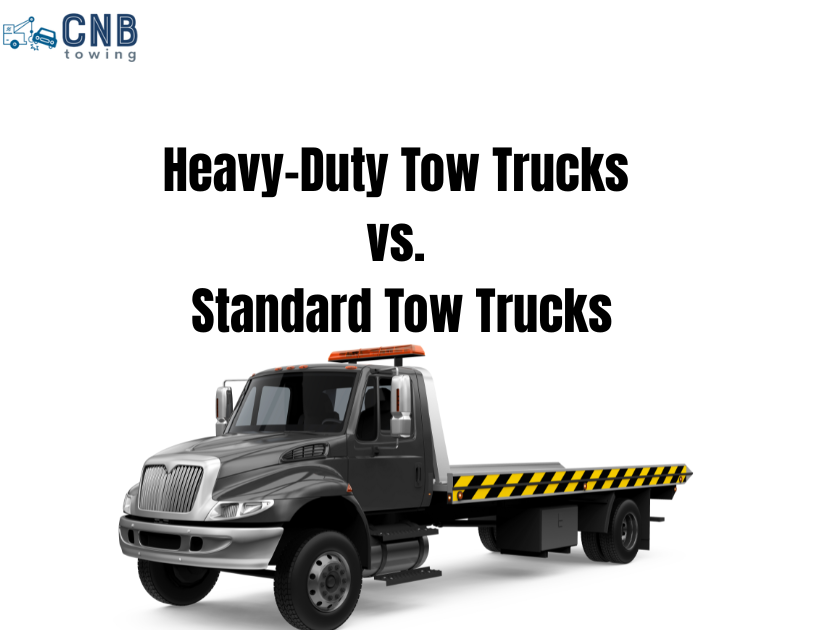
Not all towing jobs are the same. While standard tow trucks are built to handle everyday breakdowns and light vehicles, some situations call for heavy-duty tow trucks equipped with specialised tools and greater lifting power. From recovering buses and lorries to transporting construction machinery, these powerful vehicles are designed to tackle the most challenging jobs. Understanding the differences in equipment, safety features, and operational requirements between standard and heavy-duty tow trucks is essential for both operators and businesses that rely on towing services.
What Defines Heavy-Duty Tow Trucks?
A heavy-duty tow truck is built to handle jobs that go far beyond the capacity of a standard tow vehicle. These trucks are designed with reinforced chassis, high-capacity hydraulic systems, and stronger towing mechanisms to recover and transport oversized loads safely.
While a standard tow truck is ideal for cars, motorcycles, and small trailers, heavy-duty models are equipped to manage buses, semi-trailers, construction equipment, and other large commercial vehicles. Their towing capacity often exceeds 23,000 kilograms, making them indispensable for industries that depend on reliable recovery and transport.
The main difference lies not only in size but also in the specialised equipment, operator training, and compliance requirements that come with heavy-duty towing.
Essential Heavy-Duty Tow Trucks Equipment
Heavy-duty tow trucks rely on specialised, reinforced equipment to handle oversized loads safely and efficiently. Here’s a breakdown of the must-have tools that set them apart from standard tow trucks:
1. Hydraulic Booms
Heavy-duty hydraulic booms are engineered for strength and precision. Unlike smaller booms used in light towing, these systems can extend and rotate, making it possible to recover over2turned buses, semi-trailers, or machinery in confined or unstable environments. Proper maintenance of hydraulic seals and fluid is critical to ensure consistent performance.
2. Underlifts (Heavy-Duty Wheel Lifts)
Underlifts allow operators to lift vehicles by their axles or frames without damaging critical components. Heavy-duty underlifts are adjustable, extendable, and designed for the weight distribution of large vehicles like trucks and coaches. This technology makes towing safer and minimises wear on both the tow truck and the vehicle being recovered.
3. High-Capacity Winches
These winches come with reinforced cables and multiple-line pulling options, capable of moving loads that weigh tens of thousands of kilograms. They are essential for recovering vehicles stuck in ditches, mud, or tight spaces. Many modern winches also include remote-control operation, giving operators safer and more precise control during recovery.
4. Reinforced Tow Hitches & Frames
Heavy-duty towing requires equipment that won’t buckle under pressure. Reinforced hitches and frames are specifically built to manage high-stress loads. These components distribute the towing force evenly, reducing the risk of structural damage and improving overall stability during long-distance or heavy-load transport.
5. Stabiliser Legs & Outriggers
Stability is everything when lifting multi-tonne vehicles. Stabilisers and outriggers extend outward from the tow truck, creating a broader base and preventing tipping during recovery. It is essential when operating on uneven ground or when lifting off-balance vehicles.
6. Advanced Safety Chains & Straps
Standard chains and straps can’t handle the extreme weights involved in heavy-duty towing. Heavy-duty rated safety chains and straps provide reliable load securement, ensuring compliance with Australian towing safety standards. These are crucial for preventing load shifts or detachment while transporting heavy vehicles at highway speeds.
These equipment transform a tow truck into a heavy-duty recovery machine, capable of tackling complex and high-risk jobs with confidence.
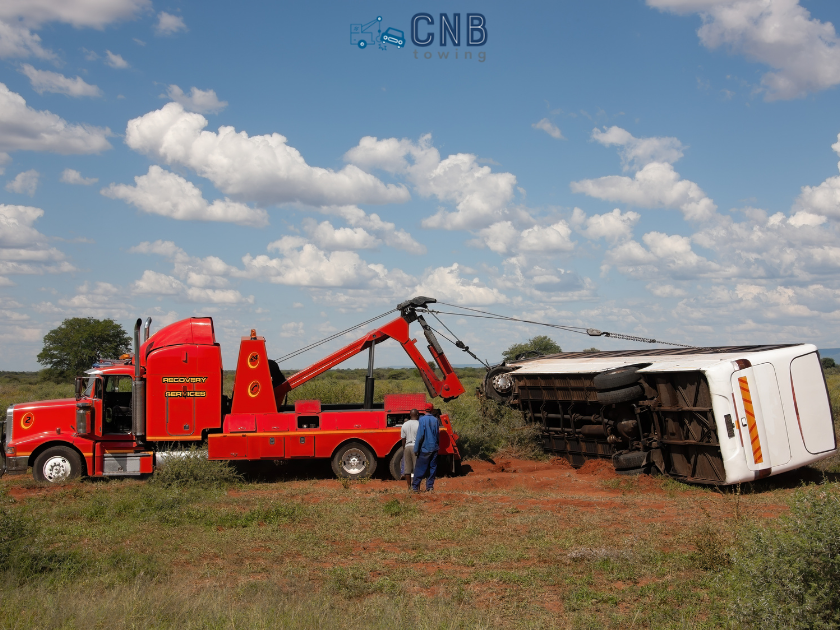
Safety Features in Heavy-Duty Towing
Handling oversized vehicles comes with higher risks, which is why safety features are critical in heavy-duty tow truck operations. These systems and protocols ensure that both operators and vehicles remain protected during demanding recoveries.
1. Load Securement Systems
Heavy-duty tows often involve multi-tonne vehicles, which means secure load attachment is non-negotiable. Operators use grade-rated chains, ratchet binders, and tensioning systems designed for extreme weights. Proper load securement prevents shifting or detachment on highways, reducing the risk of accidents.
2. Extended Safety Chains & Heavy-Duty Hooks
Unlike those used in light towing, heavy-duty safety chains and hooks are built with higher tensile strength. They provide backup protection if a hitch or primary connection fails. Manufacturers design many heavy-duty tow trucks to exceed National Heavy Vehicle Regulator (NHVR) requirements, ensuring full compliance.
3. High-Visibility Lighting Systems
Tow truck operators often work on busy highways or in low-visibility conditions. Heavy-duty trucks are fitted with LED beacons, floodlights, and reflective markings to make both the tow truck and the recovery site highly visible. This reduces the likelihood of secondary accidents and protects operators working on the roadside.
4. Stability Control & Outriggers
Advanced stability control systems monitor load balance and prevent rollovers when lifting hefty vehicles. Outriggers provide extra support during complex recovery operations, especially on uneven ground or soft surfaces.
5. Personal Protective Equipment (PPE)
Operators handling heavy-duty towing are required to use high-visibility clothing, hard hats, gloves, and steel-toe boots. These aren’t just regulatory requirements—they protect workers from hazards like falling debris, sharp edges, and roadside dangers.
6. Emergency Preparedness Gear
Heavy-duty towing often happens in high-risk environments. Trucks carry fire extinguishers, traffic cones, reflective warning triangles, and first-aid kits to keep both operators and bystanders safe during emergencies.
With these safety features in place, heavy-duty tow trucks can manage large-scale recoveries efficiently while minimising risks, ensuring compliance with industry safety standards and protecting everyone involved.
Operational Differences Between Standard and Heavy-Duty Tow Trucks
While both light-duty and heavy-duty tow trucks serve the same core purpose—moving vehicles safely—their operational scope, procedures, and equipment handling are significantly different. Understanding these differences is crucial for towing operators, regulators, and even customers who need to know what service best fits their situation.
1. Vehicle Capacity & Weight Handling
Standard tow trucks usually handle passenger cars, motorcycles, and small vans. In contrast, heavy-duty tow trucks are engineered for vehicles exceeding 10 tonnes, including buses, semi-trailers, heavy construction machinery, and large RVs. This requires reinforced chassis, hydraulic booms, and high-torque winches capable of safely shifting massive loads.
2. Recovery Environment
Light-duty tows often take place in urban or suburban settings—think breakdowns in carparks or roadside accidents. Heavy-duty towing, however, frequently involves highways, industrial zones, or off-road recovery sites, where complex maneuvering, stability, and safety precautions are essential.
3. Time & Planning Requirements
Tow operators can complete a standard car tow in minutes. Still, heavy-duty recovery requires strategic planning, route clearances, and sometimes coordination with traffic authorities or police escorts. The additional logistics ensure the safety of the tow truck, the load, and surrounding road users.
4. Operator Skill & Certification
While both require training, heavy-duty tow truck operators undergo advanced certification and hands-on training due to the complexity of handling oversized loads. They must understand load physics, rigging techniques, and emergency recovery methods that go far beyond standard towing knowledge.
5. Cost & Service Scope
Because of the specialised equipment, time, and workforce involved, heavy-duty towing services cost more than standard towing. However, customers benefit from expertise in handling high-value assets such as trucks, buses, or industrial equipment with minimal risk.
6. Compliance & Legal Requirements
Light-duty towing typically requires adherence to basic road safety and towing limits. In contrast, heavy-duty towing falls under stricter NHVR guidelines and state-based transport regulations. Compliance covers everything from load restraint to operator fatigue management.
Heavy-duty towing requires advanced equipment, specialised training, and careful planning. This approach allows operators to handle large-scale recoveries safely, efficiently, and in full compliance with legal requirements.
Why Businesses Rely on Heavy-Duty Tow Trucks
For many industries, heavy-duty tow trucks are an essential part of business continuity, risk management, and asset protection. From logistics fleets to construction firms, relying on the exemplary towing service ensures operations don’t grind to a halt when the unexpected happens.
1. Fleet Operators & Logistics Companies
Trucking companies and freight carriers cannot afford downtime. When a semi-trailer, delivery truck, or B-double breaks down, a heavy-duty tow truck can recover and transport it safely to a repair facility. It minimises delays, protects cargo, and keeps contracts on schedule.
2. Public Transport Providers
Buses and coaches play a critical role in moving people across cities and regions. A breakdown in a high-traffic area can cause significant disruptions. Heavy-duty towing services clear buses quickly and safely, protect passenger safety, and reduce service interruptions.
3. Construction & Mining Industries
Bulldozers, excavators, and other heavy machinery often need relocation or recovery from rugged terrains. Standard tow trucks can’t handle this scale. Heavy-duty tow trucks, equipped with hydraulic booms and reinforced winches, are designed to manage oversized industrial equipment, even in remote or challenging sites.
4. Emergency & Accident Recovery
When large vehicles are involved in accidents, the stakes are much higher due to road blockages, hazardous loads, or fuel spills. Heavy-duty towing specialists have the equipment and expertise to handle complex recovery scenarios, often working alongside emergency services to restore road safety.
5. Insurance & Compliance Considerations
Insurers often require businesses that operate heavy vehicles to use qualified, heavy-duty towing providers in the event of breakdowns or accidents. This not only reduces liability but also ensures compliance with transport safety regulations.
6. Protecting High-Value Assets
Trucks, buses, and machinery represent investments worth hundreds of thousands of dollars. Entrusting their transport to the right heavy-duty towing provider reduces the risk of further damage, loss, or operational downtime.
Businesses depend on heavy-duty towing not just for emergencies but as a safeguard for their operations and assets. Having a reliable partner on call means peace of mind, reduced risks, and uninterrupted productivity.
Why Choose CNB Towing for Heavy-Duty Operations
At CNB Towing, we understand that heavy-duty towing demands specialised equipment, skilled operators, and strict safety standards. Our fleet is fully equipped with advanced hydraulic booms, high-capacity winches, and reinforced tow systems designed to handle Australia’s toughest recovery jobs.
What sets us apart:
- 24/7 availability across South Australia
- Experienced operators trained in heavy-vehicle recovery & compliance
- Commitment to safety, reliability, and professionalism
- Tailored solutions for fleets, construction, mining, and transport businesses
Whether you’re dealing with a semi-trailer breakdown, bus recovery, or industrial machinery relocation, CNB Towing delivers fast, safe, and compliant heavy-duty towing services you can count on.
Conclusion
Heavy-duty towing isn’t just about moving oversized vehicles—it’s about protecting lives, assets, and business operations. With the right equipment, advanced safety features, and expert operators, heavy-duty tow trucks bridge the gap between unexpected breakdowns and getting back on track.
For businesses and individuals alike, choosing a trusted provider makes all the difference. With CNB Towing, you don’t just get a tow—you get peace of mind, professionalism, and the confidence that your vehicle or equipment is in the safest hands.
Frequently Asked Questions About Heavy-Duty Tow Trucks
1. What makes a heavy-duty tow truck different from a standard tow truck?
Heavy-duty tow trucks are designed with reinforced frames, robust hydraulic systems, and higher-capacity winches that allow them to tow large vehicles like buses, semi-trailers, and construction machinery. Standard tow trucks are best suited for cars and light vehicles.
2. What types of vehicles require heavy-duty towing?
Vehicles such as semi-trailers, articulated trucks, buses, coaches, RVs, cranes, bulldozers, and other oversized machinery often require heavy-duty towing due to their weight and dimensions.
3. Are heavy-duty tow trucks available 24/7 in South Australia?
Yes. Professional towing companies like CNB Towing operate heavy-duty services 24/7 to handle breakdowns, accidents, and urgent recoveries at any time.
4. How much weight can a heavy-duty tow truck handle?
Most heavy-duty tow trucks can tow between 20 to 50 tonnes, depending on their configuration and equipment. It makes them suitable for recovering even the largest commercial vehicles.
5. Is heavy-duty towing more expensive than standard towing?
Yes, heavy-duty towing generally costs more because of the specialised equipment, additional workforce, and higher risk involved. However, it ensures safe recovery without causing further damage to the vehicle.
6. Do heavy-duty tow trucks follow special safety regulations?
Absolutely. Heavy-duty towing operations must comply with NHVR (National Heavy Vehicle Regulator) standards and state-based road safety laws to ensure safe and compliant recoveries.
7. Can heavy-duty tow trucks recover vehicles from off-road or remote locations?
Yes. With high-capacity winches, hydraulic booms, and stabiliser legs, heavy-duty tow trucks can recover vehicles from rugged terrains, remote construction sites, and accident-prone areas.