The Role of Technology in Modern Tow Truck Operations
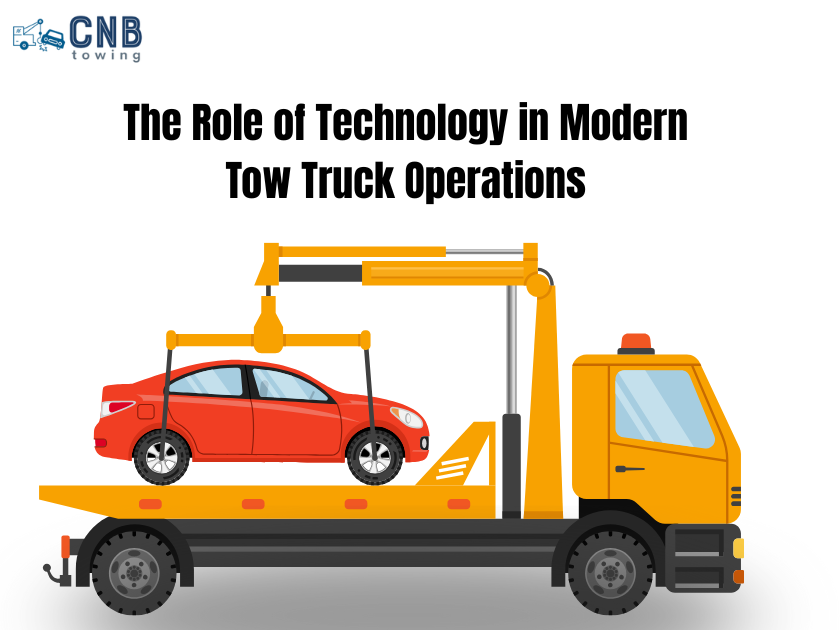
The towing industry has come a long way from relying solely on heavy chains and basic equipment. Today, modern tow truck operations are powered by advanced technology designed to improve safety, efficiency, and customer service. From GPS tracking and innovative dispatch systems to digital compliance tools, hydraulic lifting equipment, and onboard diagnostics, technology plays a critical role in how tow trucks operate on Australian roads. For tow truck operators, embracing these innovations means faster response times, safer vehicle handling, and a higher standard of service for every customer.
In this guide, we’ll look at how technology is reshaping tow truck operations, covering GPS tracking, digital compliance tools, hydraulic systems, onboard diagnostics, mobile apps, and even future innovations like AI. Each plays a vital role in making towing safer, faster, and more reliable for operators and customers alike.
1. GPS Tracking & Dispatch Systems
One of the most significant advancements in modern tow truck operations is the use of GPS tracking and innovative dispatch systems. Instead of relying on manual call logs or guesswork, towing companies can now track their fleet in real time, assign jobs based on proximity, and reduce response times significantly.
For operators, this technology means less fuel consumption, more innovative route planning, and faster turnaround. For customers, it ensures quicker service and greater transparency, often with live updates on when the tow truck will arrive. Many systems also integrate with job scheduling software and digital logbooks, helping tow truck businesses stay organised and compliant while improving efficiency on the road.
2. Digital Logbooks & Compliance Tools
Staying compliant is a non-negotiable part of running a professional tow truck operation. Traditional paper logbooks can be time-consuming and prone to errors, which is why many operators are now turning to digital logbooks and compliance software. These tools make it easy to record inspections, track service schedules, and store documentation in one secure platform.
With automated reminders for maintenance checks and instant access to records during roadside inspections or NHVR audits, operators reduce the risk of fines and downtime. Digital compliance systems also help businesses demonstrate professionalism and accountability, building trust with both regulators and customers. In short, embracing this technology keeps tow trucks roadworthy, compliant, and audit-ready at all times.
3. Hydraulic & Lifting Technology
At the heart of every modern tow truck is its hydraulic system—the powerhouse that makes safe and efficient vehicle recovery possible. Unlike older mechanical methods, today’s hydraulic booms, wheel lifts, and winches allow operators to lift and tow vehicles with far greater precision and stability.
Hydraulic & Lifting Technology reduces manual strain, improves safety for both the operator and the towed vehicle. It enables the recovery of heavier loads with ease. Regular maintenance of hoses, seals, and fluid levels is essential to avoid breakdowns. Still, when properly managed, hydraulics deliver consistent performance on every job. Combined with advanced lifting attachments and safety restraints, hydraulic technology has become the gold standard for professional towing operations in Australia.
4. Onboard Diagnostics & Monitoring Systems
Modern tow trucks are equipped with onboard diagnostics (OBD) and monitoring systems that provide real-time insights into vehicle performance. These systems track key metrics such as engine health, transmission status, brake performance, tyre pressure, and fluid levels, helping operators identify issues before they lead to costly breakdowns.
For towing businesses, OBD technology translates into lower maintenance costs, reduced downtime, and improved road safety. Some advanced systems even send alerts directly to fleet managers, ensuring prompt action when irregularities are detected. By using diagnostics to predict and prevent problems, operators can keep their tow trucks roadworthy, reliable, and compliant with safety standards—all while delivering uninterrupted service to customers.
5. Mobile Apps & Customer Communication Tools
Customer expectations in the towing industry have evolved, and technology is helping operators meet them head-on. Mobile apps and digital communication platforms now allow customers to book a tow truck, receive real-time updates, track the driver’s location, and even make secure payments—all from their phones.
These tools streamline workflow by reducing phone calls, automating job details, and ensuring accurate customer information. Features like digital invoices, automated SMS alerts, and ETA tracking not only improve efficiency but also build customer trust through transparency. By adopting these communication technologies, tow truck businesses can deliver a faster, smoother, and more professional service experience, setting themselves apart in a competitive market.
6. Future Innovations in Tow Truck Technology
Emerging technologies are shaping the future of tow truck operations, promising even greater efficiency and safety. Artificial Intelligence (AI) and machine learning are expected to power predictive maintenance systems, helping operators anticipate mechanical issues before they occur. Automation may soon assist with dispatching, route optimisation, and load management, reducing human error and saving time.
Additionally, advancements in electric and hybrid tow trucks will contribute to greener operations. At the same time, telematics and IoT sensors will provide deeper insights into fleet performance. These innovations aren’t just futuristic concepts—they’re already being tested and gradually introduced into towing fleets across Australia. For operators who embrace them early, the result will be more innovative, safer, and more sustainable towing services.
Why Choose CNB Towing
At CNB Towing, we believe that technology and expertise go hand in hand. Our fleet of modern tow trucks is equipped with the latest GPS tracking, hydraulic systems, and digital compliance tools. Whether you need emergency roadside assistance, heavy vehicle recovery, or long-distance transport, our trained operators deliver fast response times, transparent communication, and reliable service across South Australia. Choosing CNB Towing means selecting a company that values safety, compliance, and customer satisfaction above all else.
Conclusion
The towing industry has transformed through technology—bringing innovations like GPS dispatch, digital logbooks, hydraulic lifts, onboard diagnostics, and mobile communication tools that make operations safer and more efficient. As future advancements like AI and predictive maintenance emerge, towing will only become more innovative and more reliable.
For South Australian drivers, that means better service, faster response times, and peace of mind knowing that professional tow truck operators are using the best tools available.
Need reliable towing backed by modern technology? Contact CNB Towing today for 24/7 professional service across South Australia.
Frequently Asked Questions
1. How does GPS tracking improve tow truck services?
GPS tracking allows towing companies to monitor their fleet in real time, assign jobs based on the closest available truck, and reduce response times. For customers, it means faster arrivals and accurate ETAs.
2. Are digital logbooks required for tow truck operators in Australia?
While not mandatory everywhere, towing companies are adopting digital logbooks as they simplify compliance with NHVR standards, streamline record-keeping, and help avoid fines during roadside inspections.
3. What role do hydraulic systems play in modern tow trucks?
Hydraulic systems power the boom, wheel lift, and winch mechanisms, enabling operators to lift and tow vehicles of different sizes safely. They improve efficiency, reduce manual strain, and increase towing safety.
4. Can onboard diagnostics prevent tow truck breakdowns?
Yes. Onboard diagnostic systems monitor key vehicle components such as the engine, brakes, and transmission. They alert operators to issues early, helping prevent costly repairs and unexpected downtime.
5. How do mobile apps improve the customer towing experience?
Mobile apps let customers book a tow, track the driver’s location, receive ETA updates, and pay securely online. It improves transparency and convenience while reducing delays.
Your message has been sent